Don’t see your provider? Contact us to confirm coverage.
Have you ever heard of Xanax? It's a powerful prescription medication used to treat anxiety and panic disorders. Although it can be very helpful fo...
Benzodiazepines are a type of prescription medication used to treat a variety of conditions. Doctors commonly prescribe these drugs for anxiety and seizures, but they can also be used for other purposes. While these drugs can be helpful for some people, they can also be addictive and lead to adverse health effects.
If you’re curious about benzodiazepines, keep on reading. We’ll answer all your questions about these medications, including what they are, how they work, and their potential risks and benefits.
Benzodiazepines are a type of medication usually prescribed to individuals with anxiety and panic disorders. They work by decreasing the activity of the nervous system, resulting in a calmer feeling.
In 1955, chemist Leo Sternbach discovered the sedative and hypnotic substance chlordiazepoxide. It is the first of a class of psychoactive prescription drugs now accredited with a wide range of medical applications. Some applications include the treatment of anxiety and seizures. It also serves sedative purposes for surgeries.
Substances under this class belong to a family of minor tranquilizers, known as benzodiazepines. These drugs are sometimes called benzos or depending on the use. Jellies, moggies, downers, and roofies are other street names for these drugs.

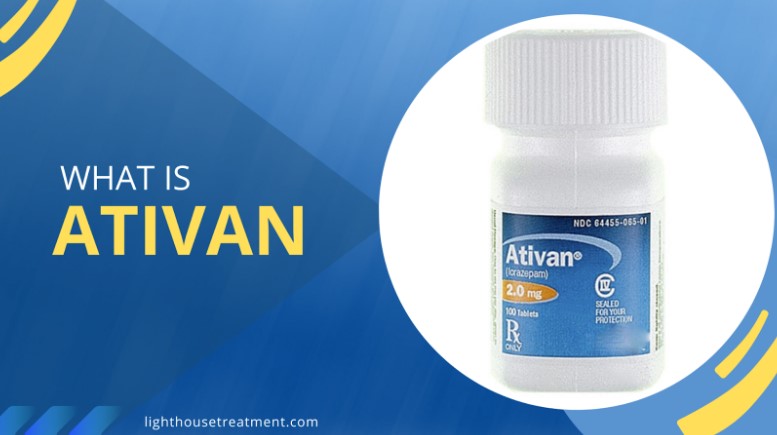
Benzos are available in tablet, capsule, and liquid forms, generally taken orally. They may also be dissolved under the tongue, such as in the case with Ativan.
Versed (generic name: midazolam) is an example of benzodiazepines that can be taken intravenously. Prescription drugs under this class vary depending on the onset of action and common applications.
Benzos are used to treat anxiety and panic disorders. Low doses are usually prescribed for insomnia while higher doses may be recommended to manage seizure disorders.
Other off-label uses of common benzodiazepines include the treatment of vertigo, alcohol withdrawal symptoms, and muscle spasms. Intravenous forms are commonly used for anesthesia during surgery or other medical procedures.
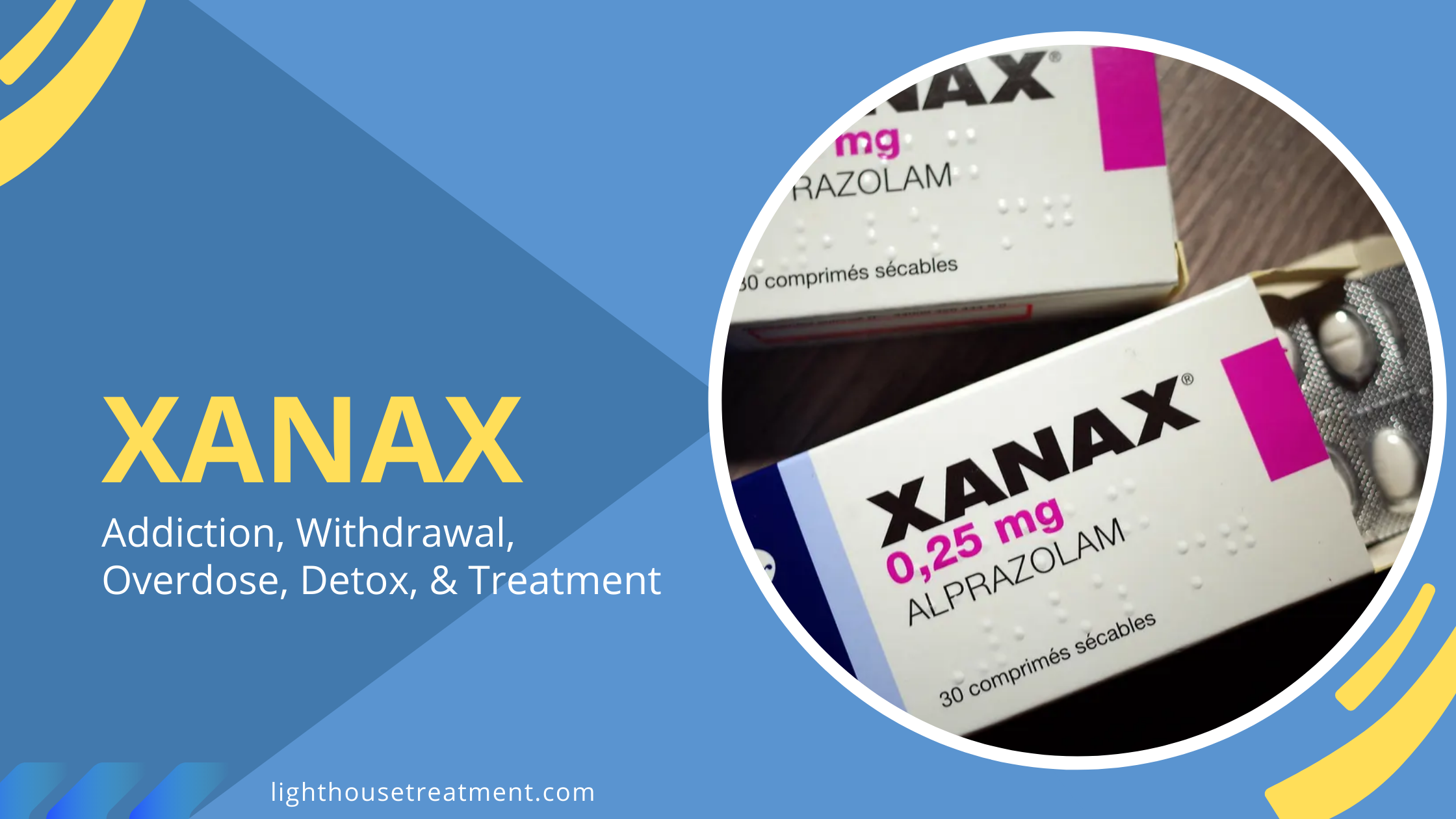
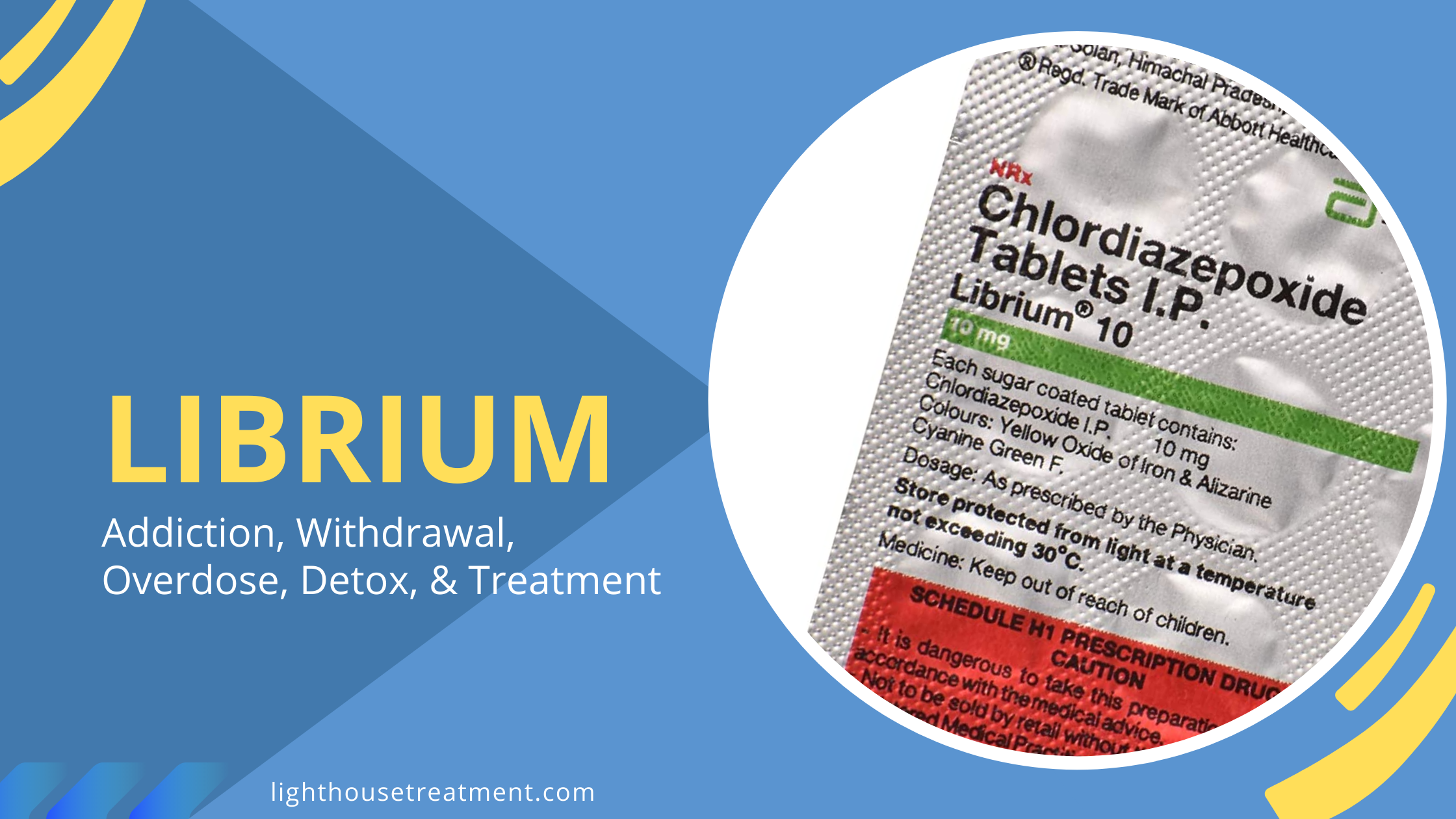
Depending on the type of benzodiazepine, different conditions may be treated. For instance, chlordiazepoxide, known by the brand name Librium is used in the treatment of anxiety disorders. Other benzodiazepines used for their anxiolytic effect are Xanax (generic name: alprazolam) and Valium (generic name: diazepam). To avoid dependence, they are often only prescribed within 2 to 4 weeks for the treatment of generalized anxiety disorder (GAD).
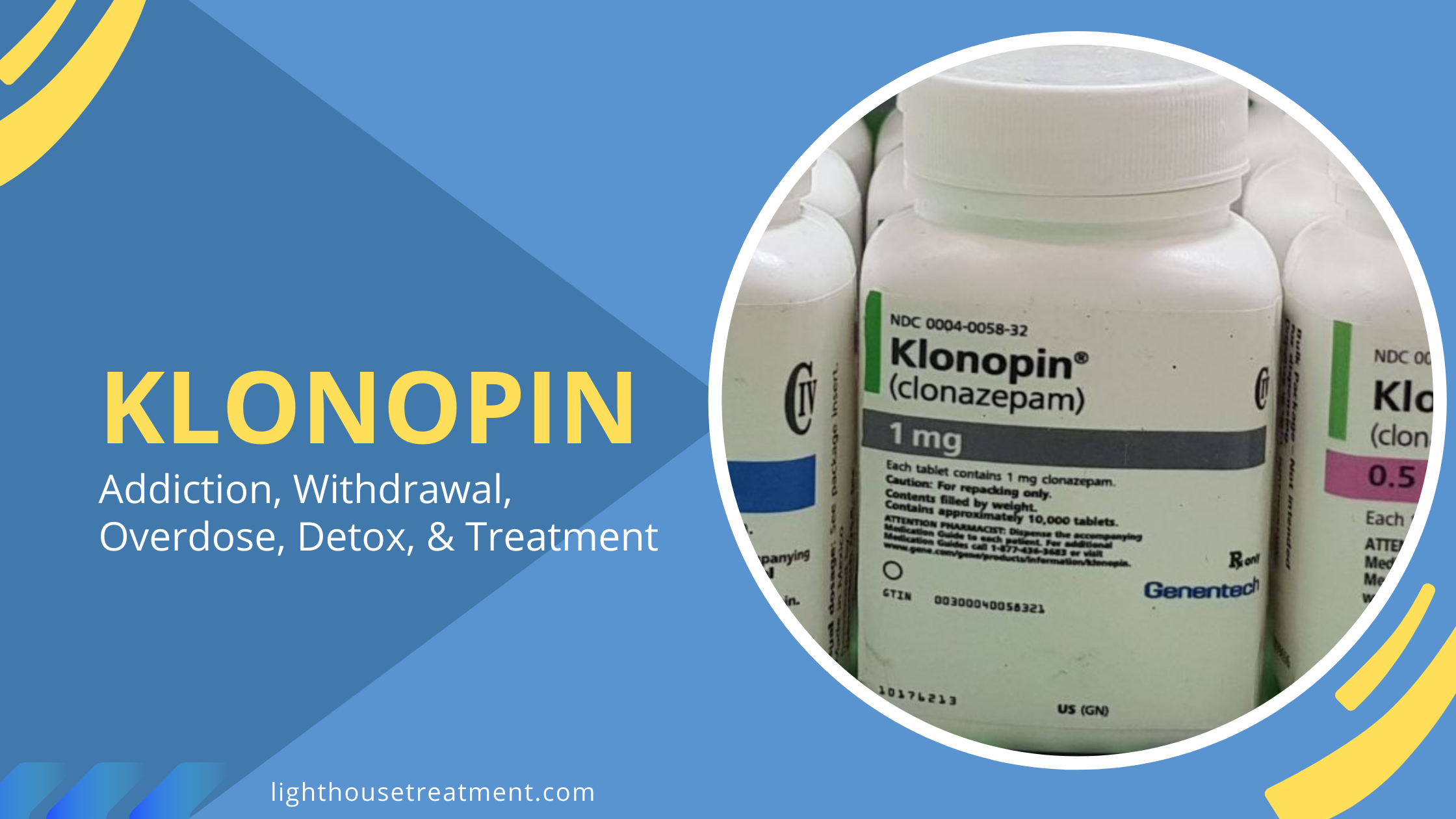
Meanwhile, Klonopin (generic name: clonazepam) and Ativan (generic name: lorazepam) are benzodiazepines used for seizure disorders. Klonopin tends to be the stronger anticonvulsant while Ativan has a more lasting effect.
The sedative-hypnotic function of this class makes it useful in the treatment of insomnia and other sleep disorders.
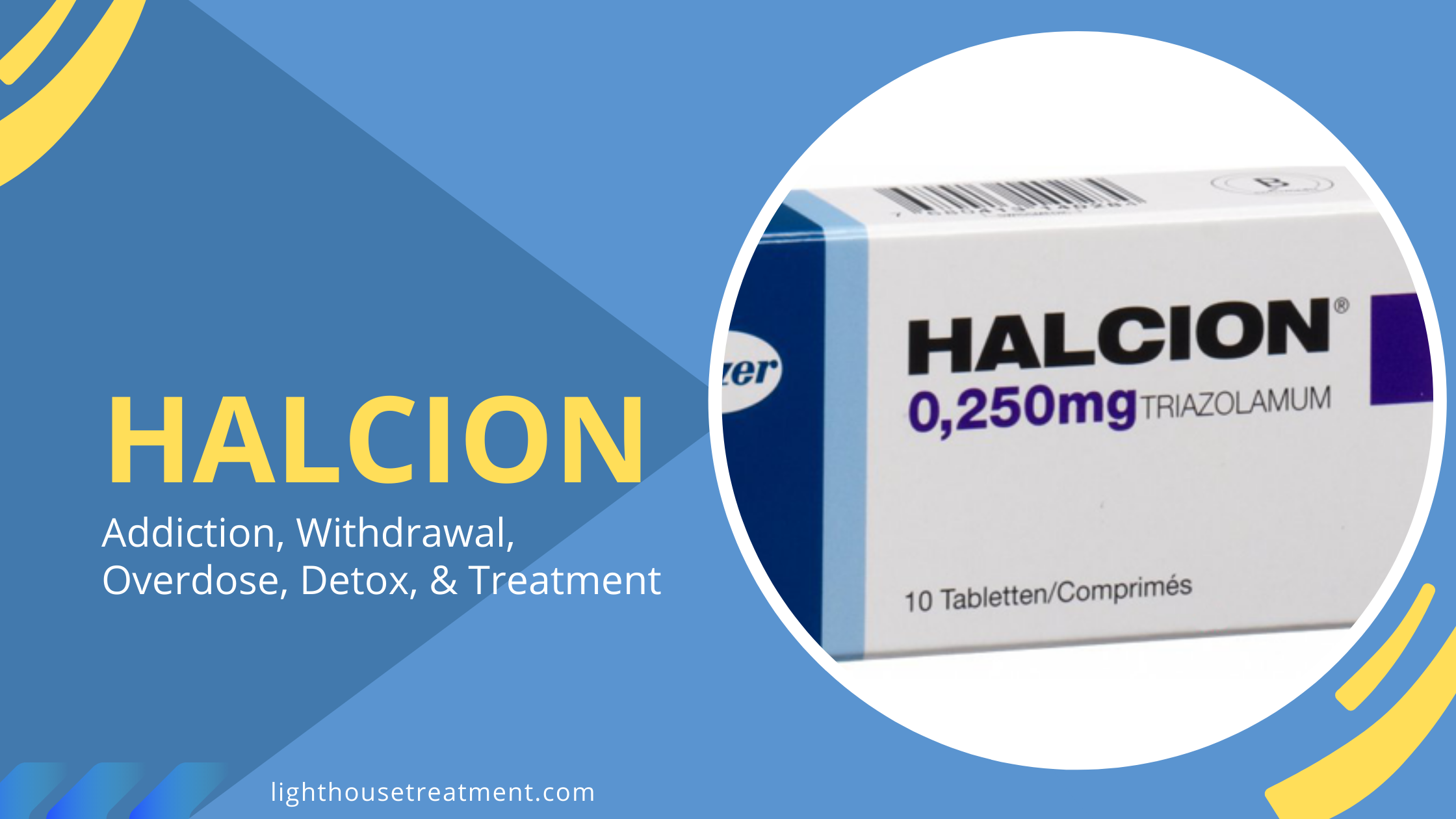
Examples of these benzos are Halcion (generic name: triazolam), Dalmane (generic name: flurazepam) and Prosom (generic name: estazolam). This same effect allows benzodiazepines to be used as calming agents for patients who will be undergoing a surgical procedure.
Benzodiazepines target the GABA-A receptors in the brain and work to depress the central nervous system (CNS). Gamma-aminobutyric acids (GABA) are the chief neurochemicals that inhibit nerve action.
They do this by opening GABA-activated chloride pathways, thereby allowing the entry of chloride ions into the neuron. This leaves the nerve cells negatively charged and therefore resistant to stimulation, relaxing the user’s mind and muscles.
The onset of action of these medicines varies. Drugs like diazepam and clorazepate start working within 30 to 60 minutes. Oxazepam has a slower onset effect.
Some have a more intermediate effect, such as in the case of lorazepam, alprazolam, and clonazepam.
The half-lives of benzodiazepines can be as short as only two hours or as long as a hundred hours. For example, triazolam has a shorter effect, from two to five hours. While for flurazepam, the half-life can be between forty to a hundred hours.
The time benzos can be detected varies depending on the amount taken and other physiological factors.
Benzodiazepines can be detected in hair tests up to 90 days after intake. They can be found in blood tests for up to 3 days, and in urine tests for up to 28 days.
Saliva tests may also reflect benzodiazepine use as much as 3 days after intake. However, saliva testing is not always advisable for this purpose.
Due to their sedative-hypnotic effects, drowsiness, confusion, and impaired motor skills are possible short-term side effects of benzodiazepine use. People taking benzodiazepines may also experience digestive disturbances like diarrhea and constipation. mental effects may include mood alterations, including a brief period of depression.
Benzodiazepines can be highly reactive with grapefruit and oral contraceptives. Takers may also be wary of the drugs’ reaction to other sedatives and anticonvulsants. They may also react with antihistamines, antidepressants including:
Reactivity of benzodiazepines to other substances can also have severe adverse effects, including seizures and hypotension. Overdose is also another life-threatening effect when you ingest high doses.
Meanwhile, long-term use of the drug may lead to impaired memory, decreased libido, anxiety, and agoraphobia. Heart and lung failure are possible issues, especially when these drugs interact with other substances. Expansion of coronary blood vessels and paralysis are likewise severe side effects linked to intravenous intake of the substances.
Yes, benzodiazepines can be addictive. The Drug Enforcement Administration (DEA) in the United States classified these drugs as Schedule IV controlled substances. This means they have lower abuse potential relative to stronger drugs. Nonetheless, these drugs have a high risk of being misused and causing drug abuse.
If you use drugs for more than 2-4 weeks without a medical practitioner’s advice, you are more likely to develop physical dependence. Increased tolerance can make you dependent and addicted to the drug.

Benzodiazepine withdrawal symptoms for benzodiazepine can occur as fast as a few hours after the last intake of the substance. It can last a week and in some cases months.
Individuals detoxifying from these drugs may experience spasms, abdominal cramps, excessive sweating, seizures, convulsions, increased heartbeat, and increased photosensitivity.
Watching out for the signs of overdose and withdrawal can aid in the prompt prevention or treatment of addiction. This is very important considering the high dependence liability of many drugs under the benzodiazepine class.
Drug overdose is one of the detrimental side effects, brought about by the high abuse potential of prescription drugs.
Some benzodiazepines are taken with alcohol and illicit substances like cocaine and heroin for recreational purposes. This increases the risk of an overdose.
An overdose can be marked by physical weakness, drowsiness, dizziness, slurred speech, and confusion. Flumazenil is the medicine commonly used to counteract the effects of such overdose through competitive inhibition.
If you suspect that someone is experiencing an overdose, contact the emergency department immediately.
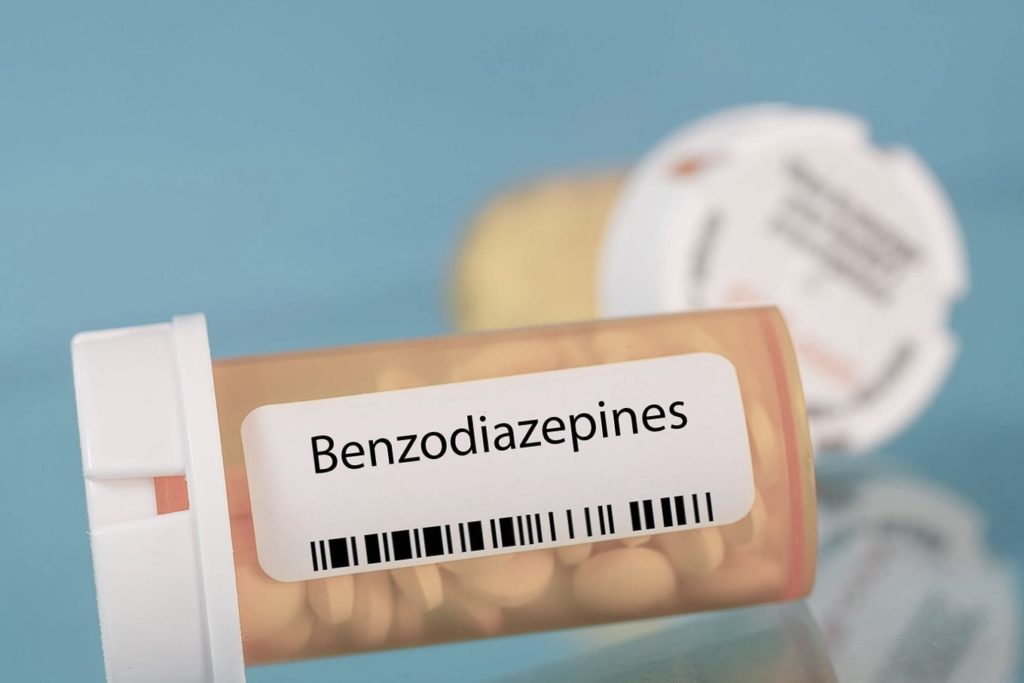
There are different methods to address drug addiction treatment for benzodiazepines. Medication, detox, and therapy are available options for those seeking to treat addiction. In this regard, patients need to heed the prescription and counsel of medical personnel.
While a benzodiazepine itself, clonazepam is used to minimize the symptoms of short-acting substances. This gives it applications in the treatment of substance addiction. With controlled intake, clonazepam can minimize seizures and anxiety. Phenobarbital has the same effect.
Carbamazepine like Tegretol is used to calm the brain and reduce anxiety. Meanwhile, buspirone stimulates the production of serotonin. Serotonin is the neurotransmitter primarily linked to feelings of happiness, earning it the moniker “the happy chemical”.
Recovery groups, contingency management plans such as reward systems, and cognitive-behavioral therapy (CBT) are known remedies. These methods aim to help patients manage behavioral and circumstantial triggers of substance abuse.
Individuals trying to recover from addiction must acknowledge and accept the need for outside assistance. This is important in helping them address their dependence on prescription drugs.
Benzodiazepines enjoy a wide array of medical applications. These prescribed medications aid in surgeries as an anesthetic and in the treatment of mental disorders that affect thousands of people across the world.
However, the utmost care and responsibility are needed in dispensing and consuming these drugs. Adequate patient education can be the key to the effectiveness of these substances. It can also help in the treatment or prevention of potentially detrimental effects like addiction








Don’t see your provider? Contact us to confirm coverage.

We are here to answer your questions. Learn about detox, treatment, costs, or anything else. Give us a call now.

Quickly confirm your coverage using our fast & easy verification system. We accept most insurances (and financing).