






Don’t see your provider? Contact us to confirm coverage.
Librium is a benzodiazepine medication commonly prescribed to treat anxiety disorders. It has a range of beneficial effects, including reducing anxiety and muscle tension and improving sleep quality. However, it can also be habit-forming. It’s important to take Librium only as prescribed by your doctor.
In addition, there are some potential side effects associated with this medication. be sure to discuss all the risks and benefits with your healthcare provider before starting treatment.
In this post, we’ll tell you all about it – what it is, how it works, and the potential risks associated with using it. We’ll also provide some information on alternative treatments for anxiety disorders.
What Is Librium?
Librium is a potent anxiolytic medicine classified under the class of Benzodiazepine. Formulated by Hoffmann-La Roche Inc., it is categorized as a prescription medication.
It is pharmaceutically known for its generic name chlordiazepoxide hydrochloride. Its active ingredient is a water-soluble, white, crystalline compound that is highly unstable to sunlight.
Chlordiazepoxide HCl has other chemical equivalents like Chlordiazepoxide hydrobromide, Chlordiazepoxide monohydrochloride, Chlordiazepoxide perchlorate, Chlorzepid, and Methanamine Diazepoxide.
It is available in the market under the following brand names:
- A-poxide
- Chlordiazachel
- H-Tran
- Libreleas
- Libritabs
- Lygen
- Mitran
- Poxi
- Librax
Street names of Librium include blue bombs, Nerve Pill, Trank, Downer, Blue, Ruffles, and L.
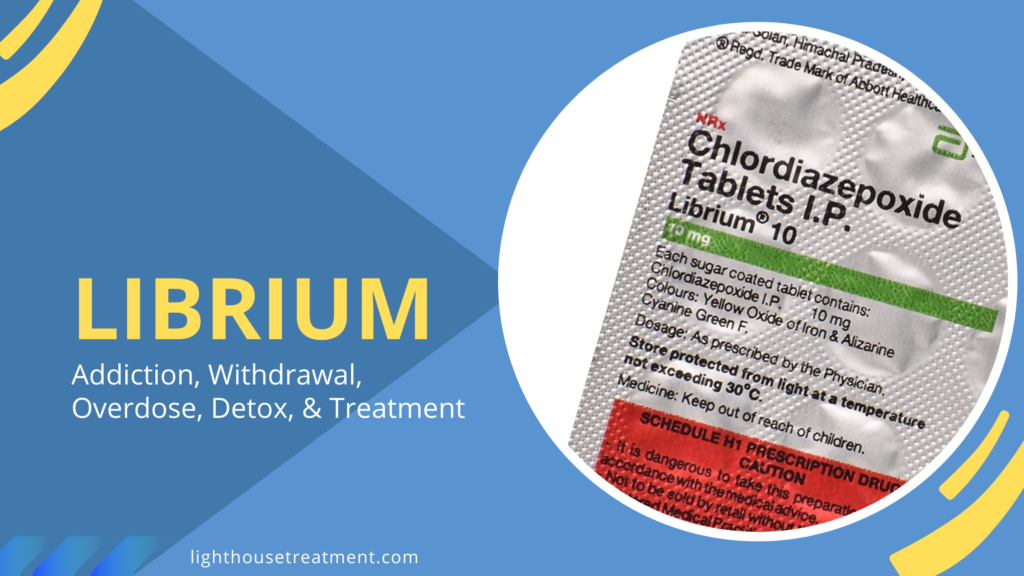
What Does Librium Look Like?
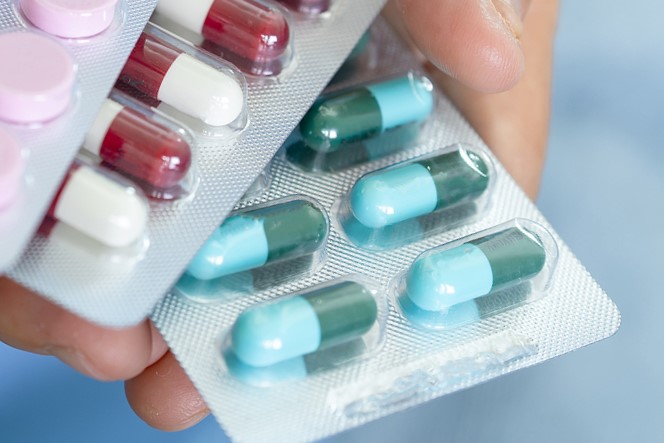
You can purchase this drug as a capsule with dosage strengths of 5 mg, 10 mg, and 25 mg.
Different dosage strengths have distinct features based on their capsule color.
- 5 mg strength – yellow, blue, or green capsule
- 10 mg strength – “Yellow, Blue and Red” or “Yellow, Blue and Green” capsule
- 25 mg strength – “Yellow and Green” or “Yellow and Blue” capsule
What Is Librium Used For?
Librium is often used as a relief from anxiety because of its relaxing effects. It is also an aid for acute alcohol withdrawal symptoms.
It can also be used to relieve seizures, insomnia, muscle tensions, and irritable bowel movement symptoms. Likewise, it is also used to relieve fear before a person undergoes surgery.
How Does Librium Work?
Librium increases the effect of GABA in the brain. GABA or Gamma-Aminobutyric Acid is one of the important neurotransmitters. It is a chief inhibitory neurotransmitter that relaxes neural activities.
The drug binds to the beta subunit present on the receptor, where GABA’s relaxation effect originates. It has a calming effect by enhancing the amount of time that GABA binds to its active site.
Generally, to experience the maximum therapeutic effect of this benzodiazepine drug, you should maintain it for approximately four months.
How Long Does Librium Stay In Your System?
Chlordiazepoxide and its metabolite are detectable on different tissues and fluids during drug testing.
In the blood, its presence lasts up to 6-48 hours. In the urine, its presence lasts up to 1-6 weeks. While in the saliva, its presence lasts up until 1-10 days. And in the hair, its presence lasts for 90 days.
What are the Short and Long-term Effects of Librium?
Short-term side effects of Librium are relaxation, drowsiness, and relief from anxiety. While the long-term effects are dementia, apathy, suicidal behavior, poor focus, depression, irritability, headache, gastrointestinal pain, liver failure, and uncontrolled body movements.
When combined with other substances, users often report side effects. These substances can include alcohol, sedatives, antidepressants, and illicit drugs such as heroin and cocaine
Some of the side effects when the drug is combined are as follows:
- verbal dysfunction
- seizures
- sleepiness
- hypotension
- difficulty in breathing
- extreme muscle weakness
Continued high-dosage intake of the drug may increase the risk of developing dementia.
Is Librium Addictive?
Yes, it can be habit-forming. Just like any other medication, there is always the potential for abuse and addiction with Librium.
Some people may start taking it for non-medical reasons, such as to get high and then develop an addiction. Others may legitimately need the medication for medical reasons but they end up taking too much of it and becoming addicted.
What Are the Withdrawal Symptoms?
A person who abuses the said medicine for more than four weeks may become dependent on the substance. As a result, suddenly stopping the medication might produce withdrawal symptoms.
Several withdrawal symptoms are as follows:
- trouble sleeping
- muscle pain
- rapid breathing action
- loss of appetite
- extreme weight loss
- excessive sweating
- irritability
- inability to focus
- frequent headaches
What Causes Librium Overdose? Signs of an Overdose
Chlordiazepoxide overdose is most likely when the drug is taken in greater than the prescribed or typical dosage. Drug abuse, particularly through recreational activities, can lead to a life-threatening overdose.
Overdose signs may include short breath, blurry vision, arrhythmia, disorientation, gradual memory loss, stomach cramps, and nausea.
There are many ways to treat an overdose of Librium. The most important thing to consider is what will work best in an emergency. Medical attention is necessary to seek emergency medical help ASAP.
Flumazenil is the primary antidote as it will antagonize the effects of Chlordiazepoxide.
If a person has not yet absorbed the drug Chlordiazepoxide in their intestine, activated charcoal can be used.
Activated charcoal will act as a magnet and will stop the absorption of the Chlordiazepoxide moiety in the small intestine.
Next, you will need to do a stomach lavage to take the medicine out of the stomach. This will help keep the medicine from being absorbed into the bloodstream.
When a drug has reached the bloodstream, dialysis can help remove it from the blood. Intravenous fluids and monitoring vital signs will also be necessary.
When addressing drug-induced hypotension, Levarterenol and Metaraminol can be used.
How Do You Treat Librium Addiction? Detox & Treatment
The first step to addressing addiction to a certain drug is consulting a clinician or physician. However, there are usually different methods used to address the addiction. A person may require detox, inpatient or outpatient drug treatment, and different therapies.
Different types of medicine can help. Benzodiazepines like clonazepam help cure seizures.
Barbiturates like phenobarbital help minimize seizures. Serotonin receptor agonists like buspirone elevate moods.
Carbamazepine relaxes the brain and reduces anxiety. And tricyclic antidepressants like imipramine cure depression by inhibiting the reuptake of neurotransmitters responsible for good moods.
Another method is using the rewards system. A contingency management plan is a way to give rewards to someone who avoids a substance. This is a positive reinforcement to help someone with an addiction.
Cognitive Behavioral Therapy is another way to treat addiction to Librium. It seeks to find out what is causing the person to abuse drugs. It then teaches them ways to reduce the risk of drug abuse and how to better cope with difficult situations.
You can also join recovery groups. These are community-based programs that help recovering addicts meet other people who have gone through the same thing. They can share their experiences and successes in gradually overcoming their addiction.
Final Thoughts: Addressing Librium Abuse and Addiction
Librium is a medication used to address anxiety and alcohol withdrawal symptoms. It can be habit-forming, and abuse can lead to dependence and drug addiction.
If you or someone you know is struggling with Librium abuse or addiction, there are many ways to get help. Consult an addiction treatment professional to see what method would work best for you.