April 28, 2023Tyler Collins
If you’re sober, does that mean you don’t use alcohol or other drugs? What does “sober” even mean? The definition of sobriety is often up for interpretation.
For some people, it might mean complete abstinence from any mind-altering substances. For others, it could simply mean reduced or moderate use.
So what exactly counts as being sober? Is there a definitive answer? Or is the definition of sobriety flexible depending on the individual?
In this blog post, we’ll explore different meanings of sobriety and discuss how to determine if you’re really sober from alcohol and other drugs.
What Does Sober Mean? Sober Definition
 When you look up the definition of the word “sober”, you will find many different meanings. This is not uncommon when looking for the term “sober definition”. Most words take on different meanings depending on the context in which they are used. The word “sober” is no exception.
According to popular dictionary references, there are a variety of definitions for sober, including:
Merriam-Webster
- not intoxicated or drunk
- unhurried, calm
- subdued in tone or color
Dictionary.com
- not intoxicated or drunk.
- quiet or sedate in demeanor, as persons.
- habitually temperate, especially in the use of liquor.
Cambridge
- not drunk or affected by alcohol
- (of an alcoholic) not having had an alcoholic drink for a period of time
Britannica
- not drunk
- having or showing a very serious attitude or quality
Vocabulary.com
- not affected by a chemical substance (especially alcohol)
- become sober after excessive alcohol consumption
When it comes to the context of alcohol and drug use, the term sober usually takes on the meaning of not being under the influence of drugs or alcohol. In other words, if you’re sober, you are not drunk or high on drugs.
However, even this sober definition can be interpreted differently. Are you sober if you still occasionally drink a bottle of beer? Or should you completely abstain from all substances to be considered sober?
Sober is often used in two different ways when it comes to substance use:
- As a state of being free from drugs or alcohol at the moment
- As a lifestyle choice to abstain from all mind-altering substances, usually after struggling with addiction.
 The first definition is more commonly used when drinking alcohol in social situations. For example, you might say that someone is “sober” if they are not currently drunk at a party. It usually serves as the opposite term when checking whether a person is intoxicated or not. People will usually ask: “Are you drunk or sober?” Or perhaps, after going to a club, you want to “sober up” fast by drinking coffee or taking a cold shower.
In this first definition of sober, the person is only sober for the moment. They may or may not be sober later on. It all depends on whether they continue to drink alcohol or not.
The second definition is more commonly used when discussing sobriety as a lifestyle choice.
In this context, “sober” usually means abstaining from all drugs and alcohol, not just at the moment, but for an extended period.
Usually, people use this definition in the context of addiction and recovery. For example, a recovering alcoholic might say that they’ve been sober for 5 years. This means that they have not had a drink in 5 years.
Some people might choose to use the word “clean” instead of “sober”, while others may use the two words interchangeably.
The important thing to remember is that the meaning of sober can vary depending on the context and situation. It’s up to you to decide what sobriety means for you.
How Do You Determine If You’re Sober?

Now that we’ve explored different interpretations of what it means to be sober, let’s discuss how you can determine if you’re really sober from alcohol and other substances.
First, you need to decide which definition of sober is most relevant to you. The most obvious question is to answer whether you have been struggling with addiction in the past. If you have, then it’s likely that you will want to adopt the second definition of sober and abstain from all mind-altering substances.
If you want to be sober and recover from addiction, this means not using any substances, including alcohol, marijuana, cocaine, prescription drugs, etc. You cannot achieve sobriety if you’re still using drugs or alcohol in any capacity.
Of course, sobriety is a process, and you may slip up along the way. If you do have a relapse, it’s important to get back on track as soon as possible and continue working towards your goal of sobriety.
But what if you don’t have a history of addiction? You’re at a stage when you are only realizing that your alcohol use is becoming a problem. Perhaps you’ve found yourself drunk more often than you’d like, or you’re noticing that your drinking is negatively impacting your life in some way.
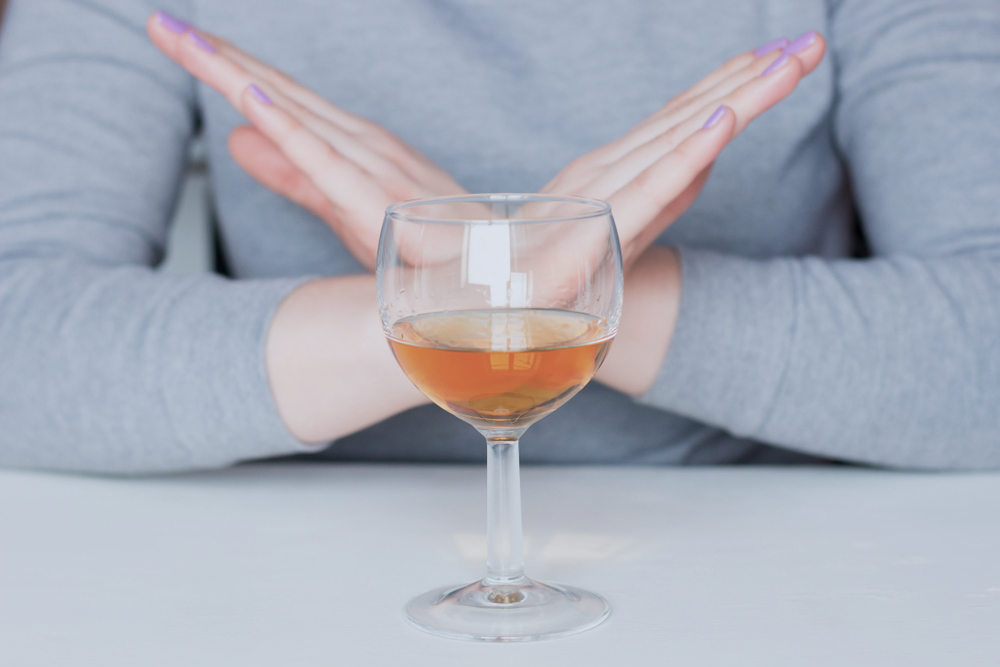 In this case, it might be helpful to take a good look at your relationship with alcohol. Are you drinking more than you want to? Do you feel like you need to drink to have fun or relax? Are you ever worried that you might be drinking too much?
Answering these questions honestly can help you determine if you need to cut back on your drinking or give up alcohol altogether. With many people struggling with alcohol use disorder, they are often the last to realize that they have a problem. If you’re concerned that your drinking might be out of control, it’s important to reach out for help.
You might even benefit from consulting with an alcohol treatment professional to get more clarity on your drinking habits and how they might be affecting your life.
Medically Reviewed by:

Dr. Preet Joneja PsyD and the clinical team at Lighthouse Treatment Center
Preet Joneja is the Clinical Director at Lighthouse Treatment Center based in Anaheim, California. She is a Board Certified Clinical Psychologist with over 20 years of experience working with individuals suffering from mental and emotional disorders.
Related Topics:
How Long Does It Take To Sober Up?
How To Sober Up From Weed: 5 Safe Ways To Detox
Is A Sober Living Home Right For Me?
How To Know If My Partner Is Really Sober?
Sources:
Definition of sober. (2023). In Merriam-Webster Dictionary. https://www.merriam-webster.com/dictionary/sober
Definition of sober. (n.d.). In www.dictionary.com. https://www.dictionary.com/browse/sober
Sober. (2023). https://dictionary.cambridge.org/dictionary/english/sober
Sober Definition & Meaning | Britannica Dictionary. (n.d.). https://www.britannica.com/dictionary/sober
Sober – Definition, Meaning & Synonyms. (n.d.). In Vocabulary.com. https://www.vocabulary.com/dictionary/sober
Medical Disclaimer:
The Lighthouse Treatment Center strives to enhance the well-being of individuals dealing with mental health disorders or substance use through accurate information about health conditions, treatment options, and their effects.
Our content is created with extensive research, citations, editing, and reviews. However, it is important to note that our information is not a replacement for professional medical advice, diagnosis, or treatment. It is recommended that you seek advice from your physician or other qualified healthcare providers.