January 23, 2024Tyler Collins
The world of cannabis and its various components can be overwhelming, especially for those who are new to it. With so many emerging terms and products, it’s easy to get confused about what they actually mean. One common question that arises is the difference between THCA and Delta 9 THC. While these terms may sound similar, they actually have distinct properties and effects on our bodies.
In this blog post, we’ll break down the similarities and differences between THCA and Delta 9 THC. This will give you a better understanding of these cannabis products. This resource can also prove invaluable to individuals, particularly parents, seeking to educate themselves about the various substances present in cannabis and their effects. By doing so, they can ensure the safety of their children and make informed decisions regarding this matter.
What is Delta 9 THC?
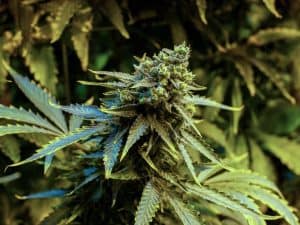 Delta 9 THC, also known as delta-9-tetrahydrocannabinol, is a psychoactive compound found in cannabis plants. It is responsible for most of the plant’s intoxicating effects. It is classified as a Schedule I drug by the federal government. However, since the passing of the Farm Bill in 2018, hemp-derived delta 9 THC products with less than 0.3% THC are legal in the United States.
These products are becoming more widely available in the market, but it’s important to note that delta 9 THC can still have side effects such as anxiety, paranoia, and impaired coordination. As with any substance, it’s important to use delta 9 THC products responsibly and according to the instructions provided.
What is THCA?
THCA (tetrahydrocannabinolic acid) is a compound that is found in freshly harvested cannabis. It is actually the precursor to Delta 9 THC, the well-known psychoactive compound found in marijuana. In order to convert THCA into Delta 9 THC, a process called decarboxylation is necessary. This involves heating up the plant material, which causes a chemical reaction that changes THCA into Delta 9 THC.
THCA can also be found in hemp and marijuana plants, although it is present in much smaller quantities in hemp plants. While THCA itself does not have psychoactive effects, it does have potential therapeutic benefits.
In a nutshell, heating THCA turns it into Delta 9 THC, which makes it psychoactive.
What Are the Similarities and Differences of THCA and Delta 9 THC?
 THCA and Delta 9 THC are both compounds found in the cannabis plant, but they differ in their chemical structure and effects on the body.
THCA is found in raw cannabis plants, and it is not psychoactive until it is heated or exposed to light, which removes the carboxyl group and converts it into Delta 9 THC.
Delta 9 THC is the primary psychoactive compound in cannabis, and it binds to the receptors in the brain responsible for producing feelings of euphoria, relaxation, and altered perception.
Can THCA Get You High?
THCA is non-intoxicating, which means it does not get you high. However, once heated, THCA is converted into THC, the psychoactive compound that is responsible for the “high” associated with marijuana consumption.
So, while consuming raw cannabis with THCA may not result in a mind-altering experience, smoking or vaping THCA may produce this intoxicating effect. It is important to note that the potency and effects of THC can vary depending on the strain, dosage, and individual factors. As with any type of cannabis consumption, it is essential to consume responsibly and within legal regulations.
Get Help for Substance Abuse in Orange County, CA
Whether you’re struggling with cannabis use, or any other addictive substance, it’s important to seek help and support. Substance abuse can have serious detrimental effects on an individual’s health. Consuming substances in excess can lead to both physical and mental health complications, ranging from organ damage to mental health disorders such as depression and anxiety. Substance abuse can also affect relationships, job performance, and overall quality of life.
If you live in Orange County, CA, the Lighthouse Treatment Center is the best place to seek help. We offer compassionate and comprehensive addiction treatment programs that are tailored to meet your individual needs. Our team of experienced professionals provides evidence-based therapies, including cognitive-behavioral therapy (CBT), motivational interviewing, and 12-step facilitation.
We believe in treating the whole person, not just the addiction. Our approach focuses on addressing underlying issues and developing healthy coping mechanisms for a successful recovery journey.
Reach out to us today.