July 12, 2023Tyler Collins
In recent years, vaping has become a popular alternative to traditional smoking. This trend has brought about a new set of challenges and questions, particularly regarding age restrictions and vape laws in the United States.
One question that often arises is, “What is the legal age to vape?” This article aims to shed light on this topic and provide a comprehensive understanding of the legalities surrounding vaping. It will also discuss the underage implications of vaping and what to do if your underage loved one is vaping weed and other drugs.
What is Vaping?
Vaping involves using devices known as e-cigarettes or vape pens to inhale vapor produced from heating a liquid, commonly referred to as vape juice. These vaping devices have rapidly gained popularity, offering an alternative for those who wish to refrain from traditional cigarettes.
Most vape products contain nicotine but the variety of flavors make it easier to mask the traditional smell of cigarettes. But aside from nicotine, vaping weed and other drugs is also becoming popular with young people.
What Is the Legal Age to Vape in the United States?
 In a significant move towards increasing the legal age for the sale of tobacco products, the Federal Food, Drug, and Cosmetic Act was amended on December 20, 2019. This amendment, often referred to as “Tobacco 21” or “T21”, raised the federal minimum age to 21 from 18 years old to purchase tobacco products.
Retailers are no longer allowed to sell any tobacco products, such as cigarettes, cigars, and e-cigarettes, to individuals who are under the age of 21 due to new legislation that went into effect immediately. The new federal minimum age applies uniformly across all retail establishments and individuals, leaving no room for exceptions.
This change in law also affects vaping devices and vape juice, which are considered tobacco products. Therefore, the legal age to vape is 21 years old. This step was a critical move in the direction of vaping prevention efforts, particularly among younger demographics.
However, some states may allow individuals who are 18 years old to purchase tobacco products. Check your state’s laws to make sure that you are in compliance.
What Are the Health Implications of Vaping?
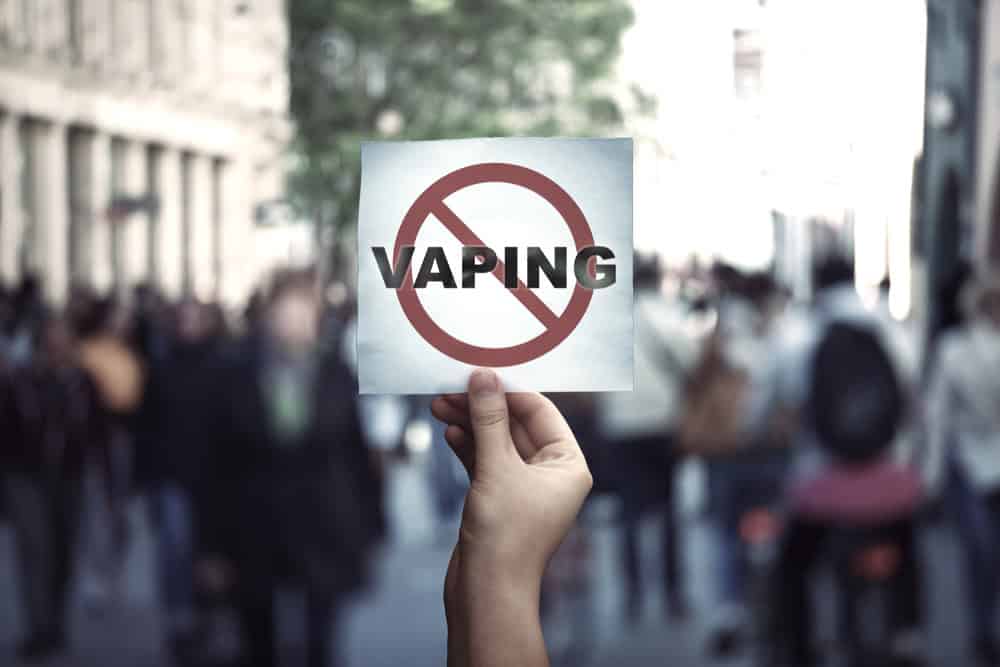 The rise of vaping devices has been significant, especially among teenagers. Borne out of a need for a safer alternative to traditional smoking, they have rapidly gained popularity across different age groups. However, vaping’s popularity among teens is particularly concerning. The sleek design of these devices, coupled with the many enticing vape juice flavors, has made them an attractive option for this young demographic.
It’s important to understand that this vape juice contains nicotine, a highly addictive substance found in traditional cigarettes. While some vape juices advertise themselves as nicotine-free, studies have shown that even these products often contain trace amounts of the substance.
While some view vaping as a safer alternative to smoking, it’s essential to note that vaping carries health risks, especially for young people. This underscores the importance of understanding and enforcing the legal age for vaping.
Nicotine is not only addictive but also particularly harmful to adolescents, whose brains are still developing. It can affect their learning, memory, and attention span, and can even increase their risk for future addiction to other drugs. The contents of vape juice and the lack of regulation increase these risks.
What Are the Consequences of Underage Vaping in the United States?
Underage vaping can lead to severe consequences, both legally and health-wise. Breaching the age restrictions can result in penalties for both the seller and the buyer. Moreover, underage individuals are at a higher risk of developing health issues related to vaping due to their bodies still being in the developmental stage.
Get Help for Teen Substance Abuse in Orange County
Understanding the legal age for vaping in the United States is crucial in minimizing the risks associated with vaping. The law clearly states that individuals must be 21 years or older to purchase vaping devices, vape juice, and other tobacco products. Following the age restrictions helps with both legal compliance and the goal of promoting public health by reducing the negative effects of nicotine addiction.
If you or a loved one is struggling with substance abuse, especially with vaping drugs and other controlled substances, professional help is available in Orange County. Contact Lighthouse Treatment Center to get the help you need. Our experienced and compassionate clinical team is dedicated to helping individuals of all ages recover from substance abuse.
Medically Reviewed by:

Dr. Preet Joneja PsyD and the clinical team at Lighthouse Treatment Center
Preet Joneja is the Clinical Director at Lighthouse Treatment Center based in Anaheim, California. She is a Board Certified Clinical Psychologist with over 20 years of experience working with individuals suffering from mental and emotional disorders.
Related Topics:
Should I Stop My Teenage Child From Vaping?
CBD Vape Oil: 9 Things You Need To Know Before Vaping CBD
Sources:
Products, C. F. T. (2021). Tobacco 21. U.S. Food And Drug Administration. https://www.fda.gov/tobacco-products/retail-sales-tobacco-products/tobacco-21#:~:text=This%20legislation%20(known%20as%20%E2%80%9CTobacco,and%20persons%20with%20no%20exceptions.
Feeney, S., Rossetti, V., & Terrien, J. M. (2022). E-Cigarettes—a review of the evidence—harm versus harm reduction. Tobacco Use Insights, 15, 1179173X2210875. https://doi.org/10.1177/1179173×221087524
Medical Disclaimer:
The Lighthouse Treatment Center strives to enhance the well-being of individuals dealing with mental health disorders or substance use through accurate information about health conditions, treatment options, and their effects.
Our content is created with extensive research, citations, editing, and reviews. However, it is important to note that our information is not a replacement for professional medical advice, diagnosis, or treatment. It is recommended that you seek advice from your physician or other qualified healthcare providers.