October 16, 2019Tyler Collins
Having a healthy diet is an important factor for a person in addiction recovery. When you don’t eat well and you feel hungry all the time, this can cause relapse because hunger can be mistaken for alcohol or drug cravings.
It is then important that you avoid bouts of hunger that can trigger these cravings. So, what is the right way to eat when you’re recovering from addiction?
Are there some set guidelines or no-nos that have to be followed? Here are some helpful tips that can help you eat better and maintain a healthy diet.
Eat regular meals
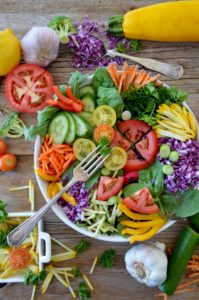 Schedule your meals and develop an eating routine. Aim for at least three balanced meals a day and two snacks. Even if you are not hungry, stick to the schedule and eat a little. This will help keep your body going for the entire day. Another good idea is to keep healthy snacks with you all the time such as a bag of nuts or fruit. Having snacks handy can help you get over unhealthy cravings.
Focus on nutrient-dense food
When you’re recovering from a drug or alcohol addition, your body is also physically recovering from the negative effects of the harmful substances. In order for your organs to restore healthy functions, you need to nourish your body with nutrients. You can achieve this by making sure your diet is filled with nutrient- dense food.
Focus on whole foods like protein-rich fish, meat, chicken, and dairy. Incorporate fresh produce in your diet to ensure that you get adequate amount of vitamins and minerals. Healthy fats and carbohydrates should also be a part of a balanced diet.
Skip the junk and sugar
Foods that contain a lot of sugar can be detrimental in your recovery because they can cause extreme sugar highs and crashes. When you eat a candy bar, for example, you’ll feel that extra boost of energy instantly but this feeling is often very temporary. After the sugar rush, you will most likely experience feeling down and craving more sugar. Sounds familiar? Yes, this sugar craving mimics most drug cravings. This is the reason why there have been many former drug addicts who developed sugar addiction in recovery. Whenever they have a drug craving, they eat sweets instead. The problem with this is that it can pose another set of serious health issues including obesity and diabetes.
Avoid fad diets
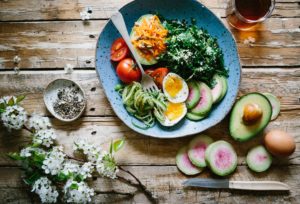 Being in recovery is the perfect time to start pursuing a healthy lifestyle by maintaining a balanced diet and being physically active. However, this is not the time to take part in fad diets that give illogical limitations on what and how much you eat.
Most fad diets are very restrictive, which can be very difficult for a person. When you’re in recovery, the added pressure of limiting your food on top of giving up drugs and alcohol can be too much. Many fad diets also leave a person feeling hungry. This can be dangerous for a person in recovery as this can cause a relapse.
Stay hydrated
 Water is a very important part of any healthy diet. Drink at least 1.5 to 2 liters a day to keep yourself hydrated. Being hydrated will be great or your energy, your organs, and your overall health. Drinking water can also help restore your skin’s appearance affected by your substance abuse issues.
Instead of just drinking water during meals or when you’re thirsty, try to drink at least one glass of water every hour. Buy a reusable water bottle that you can refill and keep with you wherever you go. If you don’t like the taste of water, infuse it with slices of fresh fruits like oranges, lemons, and berries to give your H20 a hint of flavor.
Indulge in good food
After giving up drugs and alcohol, you can use the extra money that you have to treat yourself to a nice lunch or dinner at least once a week. Good food is usually made with premium and fresh ingredients so not only are you treating your palate, you are also staying on the healthy track. Make this is a part of your self-care routine in recovery.
Explore different cuisines to excite your taste buds and try to order a dish you’ve always wanted to try. Be adventurous and veer away from the obvious Mexican or Italian bistro. Try cuisines that you’ve never tried before like Peruvian, Moroccan, Korean, or Russian delicacies. This will also give you something to look forward to every week. If you are a good home cook, you can also try cooking these exotic dishes. There are free YouTube tutorials that you can use to help you in your MasterChef efforts.
If you or a loved one is struggling with substance abuse, help is available.
Contact Lighthouse Treatment Center today.