June 13, 2023Tyler Collins
So, you might be wondering, “Is Valium addictive?” This question arises frequently, particularly for people taking this medication or knowing someone who does. While Valium can be effective in treating medical issues such as anxiety disorders and muscle spasms, it can also be misused. This can create a nasty cycle of dependence that can wreak havoc on people’s lives.
What makes matters worse is that there’s a lot of confusion and misinformation out there about Valium addiction. People may not understand the risks associated with using drugs like Valium. This can be dangerous. It is important to be aware of the potential harm that prescription drugs can cause.
In this blog post, we’ll discuss Valium’s addictive nature, the effects of Valium addiction to one’s daily life, and what drug addiction treatment options are available.
We hope that by sharing this information, you’ll be better equipped to make informed decisions about your health and the well-being of your family members and those around you.
What Is Valium?
Valium, also known as diazepam, is a type of drug that is classified under benzodiazepines. Valium is a long-acting benzodiazepine that was approved by the Food and Drug Administration (FDA) in 1963.
Valium works by enhancing the effects of a neurotransmitter called GABA, which helps calm the central nervous system. The drug is commonly prescribed to treat people struggling with anxiety, alcohol withdrawal, and muscle spasms.
Is Valium Addictive?

The short answer is yes, Valium can be addictive. The Drug Enforcement Administration (DEA) classifies Valium as a Schedule IV controlled substance, which means it has a lower potential for abuse and addiction compared to drugs in higher schedules. However, this does not negate the potential danger of Valium addiction, especially when misused or taken for longer than prescribed.
While Valium is prescribed to treat legitimate medical conditions, the number of people who develop an addiction to this drug is concerning.
As with other benzodiazepines, patients may develop a tolerance to Valium, requiring higher doses to achieve the same effects. This can lead to dependence and ultimately, addiction. When someone suddenly stops taking Valium, this could lead to Valium withdrawal making them seek out the drug.
What Are the Signs of Valium Addiction?
Knowing the signs of Valium addiction is crucial for identifying if you or someone you care about might be struggling with this issue.
It’s important to keep an eye out for these red flags, as recognizing them early on can make a huge difference in getting the help needed for a Valium abuser. So, let’s go through some of the most common indicators that suggest someone may be dealing with Valium addiction.
- Taking higher doses than prescribed or using the drug more frequently
- Doctor shopping to obtain multiple prescriptions
- Using Valium without a prescription or obtaining it illegally
- Mixing Valium with other substances, such as alcohol or opioids
- Experiencing withdrawal symptoms when trying to stop using Valium
- Neglecting personal, professional, or social responsibilities due to Valium use
Dangers of Valium Addiction
Valium addiction isn’t something to be taken lightly, as it can bring about a wide range of serious side effects that can impact both physical and mental health. Being aware of these dangers is essential in understanding the severity of the issue and why it’s so important to address it promptly.
By recognizing these hazards, individuals can better understand the urgent need for intervention and support in overcoming addiction and moving towards recovery.
- Impaired cognitive function, memory loss, and difficulty concentrating
- Increased risk of accidents and injuries due to drowsiness and impaired coordination
- Severe withdrawal symptoms, including seizures, hallucinations, and suicidal thoughts
- Overdose, which can be fatal, especially when Valium is combined with other central nervous system depressants like alcohol or opioids. It’s essential to note that Valium is not an opioid. However, mixing it with opioids can be extremely dangerous and potentially fatal.
Treatment for Valium Addiction in Orange County, California
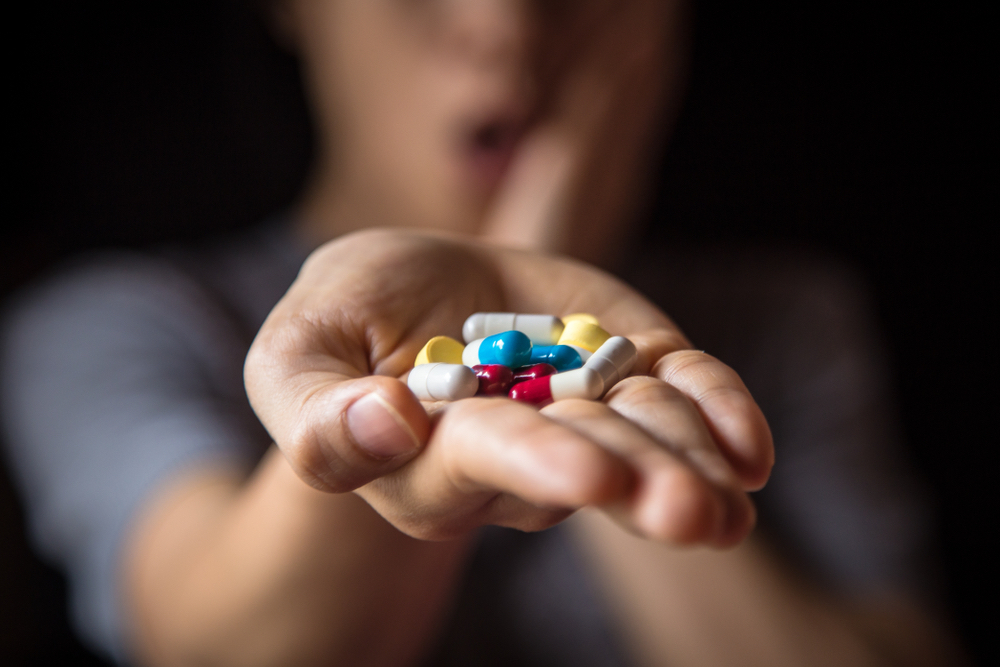 While Valium is a commonly prescribed medication with legitimate medical uses, it does carry the potential for addiction. By recognizing the signs of Valium addiction and understanding the associated dangers, you can seek the appropriate treatment and support necessary for a successful recovery journey.
If you or a loved one is struggling with Valium addiction, seeking professional substance abuse treatment is crucial. At the Lighthouse Treatment Center in Orange County, California, we offer comprehensive treatment programs tailored to each individual’s unique needs.
Medically supervised detoxification, therapy, counseling and support groups are programs that may help patients recover from addiction. Our programs teach patients coping strategies for lasting recovery.
Medically Reviewed by:

Dr. Preet Joneja PsyD and the clinical team at Lighthouse Treatment Center
Preet Joneja is the Clinical Director at Lighthouse Treatment Center based in Anaheim, California. She is a Board Certified Clinical Psychologist with over 20 years of experience working with individuals suffering from mental and emotional disorders.
Related Topics:
Valium VS Xanax: 8 Similarities and Differences
Fake Valium Warning: It Can Kill You
Sources:
Diazepam. (2023, January 1). PubMed. https://pubmed.ncbi.nlm.nih.gov/30725707/#:~:text=Diazepam%20is%20a%20benzodiazepine%20medication,certain%20refractory%20epilepsy%20patients%2C%20and
Nordqvist, J. (2023, January 11). The benefits and risks of benzodiazepines. https://www.medicalnewstoday.com/articles/262809
Medical Disclaimer:
The Lighthouse Treatment Center strives to enhance the well-being of individuals dealing with mental health disorders or substance use through accurate information about health conditions, treatment options, and their effects.
Our content is created with extensive research, citations, editing, and reviews. However, it is important to note that our information is not a replacement for professional medical advice, diagnosis, or treatment. It is recommended that you seek advice from your physician or other qualified healthcare providers.