







Don’t see your provider? Contact us to confirm coverage.
If you are looking for an effective addiction treatment program, you might have heard of the medication naltrexone. Commonly used as part of alcohol abuse or opioid addiction treatment, naltrexone is one of the most commonly used medications currently available to treat these types of substance abuse issues.
Perhaps you’re wondering how naltrexone works and if treatment with naltrexone is right for you. This article will explain what naltrexone is, how it works, and its potential side effects so that you can make an informed decision about whether or not to incorporate it into your addiction treatment plan.
What Is Naltrexone?
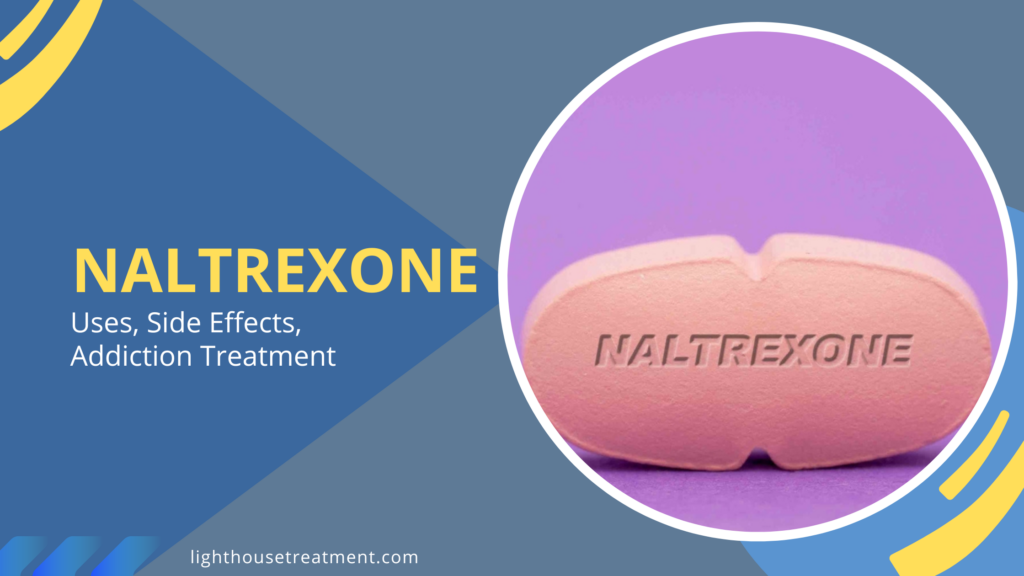
Naltrexone is a prescription medication used to treat alcohol use disorder and opioid use disorder. It is an opioid receptor antagonist, meaning it blocks the effects of opioids like heroin or prescription painkillers.
Naltrexone works by blocking the effects of substances like opioids and alcohol in the brain, thereby reducing cravings for them. It is also known to reduce the pleasure you get from consuming drugs or alcohol, making it less desirable and thus, less likely to relapse.
In the 1980s, the Food and Drug Administration (FDA) granted approval for naltrexone to be used medicinally. Not only does this medicine help combat alcohol consumption or opioid addiction, but it has been found to be beneficial for breast cancer patients.
Naltrexone is also known by its brand names such as Revia and Depade. Meanwhile, another brand name called Vivitrol is administered through injection in the muscles. The intravenous administration is done once a month.
How Does Naltrexone Work for Addiction Treatment?
To begin, naltrexone does not alleviate withdrawal symptoms during detoxification. Instead, it works by preventing opioid and alcohol addiction’s euphoric effects from reaching the brain and stomach receptors.
This ensures that the patient is secure from any setbacks or discouragement due to not sticking to their treatment plan. Since there are no pleasurable feelings experienced by taking opioids or drinking alcohol, this will also make them less likely to crave it again and abuse these substances.
What Are the Side Effects of Naltrexone?
You may experience some common side effects after starting naltrexone, yet these are typically far less severe than the illness being treated. You may experience side effects including:
- Anxiety
- Restlessness
- Constipation
- Joint inflammation
Below are some more serious side effects from using naltrexone in treating opioid and alcohol dependence. If you experience these more serious side effects, a consultation with a doctor or medical practitioner is recommended.
- Stomach cramps
- Diarrhea
- Sleepiness
- Confusion and hallucination
- Nausea and vomiting
- Bleary vision
- Trouble breathing
Similar to other drugs, the dosage must be given by a doctor or designated physician to avoid an overdose. Excessive intake of naltrexone can damage the liver, so avoid taking a higher dose without proper advice from your doctor.
Nonetheless, if you experience any of the symptoms below, medication with this drug must be stopped.
- Dark urine
- Jaundice on the skin and eyes
- Lack or absence of appetite
- A great feeling of lethargy
- The upper right area of your stomach aches
- Unexplainable bruises in your body
When Is Naltrexone Prescribed?
Naltrexone is usually prescribed when a person stops drinking or using opioids. It is given at this early stage to avoid relapse, because most patients are highly vulnerable at this phase.
The right time to allow naltrexone is after you have successfully abstained from opioids and alcohol for seven to ten days. Immediately taking this medication may result in intense withdrawal symptoms.
The injection form is given once a month, while the pill form is taken once a day. Most people take this medicine for twelve weeks, but some people may need to take it for longer.
This drug has a better medicinal effect when injected, rather than taken orally as a pill. However, you need to consult a doctor or physician to get the appropriate prescription and dosage for this medication.
Naltrexone should be restricted to individuals who are suffering from liver and kidney disease, and for pregnant women as well. Likewise, this medication is not suitable for individuals with allergic reactions to naltrexone and those taking painkillers for narcotics.
Is Naltrexone Effective?
There are plenty of medical records and studies showing the effectiveness of naltrexone in decreasing one’s appetite for opioids and alcohol. However, it cannot be a stand-alone treatment for addiction and alcoholism.
To achieve a holistic medicinal impact, this medication must be incorporated into a full rehab treatment program that includes counseling, support groups, and complementary treatments. While this drug can help address the biological aspect of opioid and alcohol addiction, it cannot correct behavioral dysfunction.
Naltrexone for Detox
There is still a continuous debate regarding the effectiveness and safety of letting patients undergo a fast detox process. During this process, withdrawal symptoms are more intense and painful, sometimes even life threatening, so it’s necessary to consult with a professional detox facility.
Using naltrexone for detox should be properly planned and supervised by a trained medical practitioner. This drug detox process is usually administered in an inpatient setting to ensure that specialists are always present during the procedure and potential side effects or drug interactions are properly managed. This will also give the patient enough opportunity to rest, which is essential for recovery.

Is Naltrexone Right for You?
Naltrexone is an effective medication to prevent relapse from opioid addiction and alcohol use disorder. However, it’s only one ingredient in a comprehensive addiction treatment program to ensure holistic recovery from addiction.
Consulting with a licensed addiction specialist is the best way to determine if this medication is right for you. They can advise on which type of treatment option and medication suits your condition, as well as provide reliable guidance and support throughout your recovery journey.
Recovering from substance dependence and addiction is not an easy process but with the right facility and treatment program, one is assured of a higher recovery rate. Call your doctor or the nearest addiction specialist today to know more about how to be treated with naltrexone.