





Don’t see your provider? Contact us to confirm coverage.
More people than ever are struggling with opioid addiction. Fortunately, many medications are available to help with the treatment of opioid addiction. Medications like naloxone can provide a safe, effective way to manage physical withdrawal symptoms and effects of opioids. A dose of naloxone can even reverse opioid overdoses.
In this article, we’ll explain what exactly the drug is used for, its potential risks & side effects and how it can help those suffering from opioid use disorder get back on track to a healthier life. We hope that by reading this article, you can gain better insight into how this medication can help you or a family member on the road to recovery from opioid addiction.
What Is Naloxone?
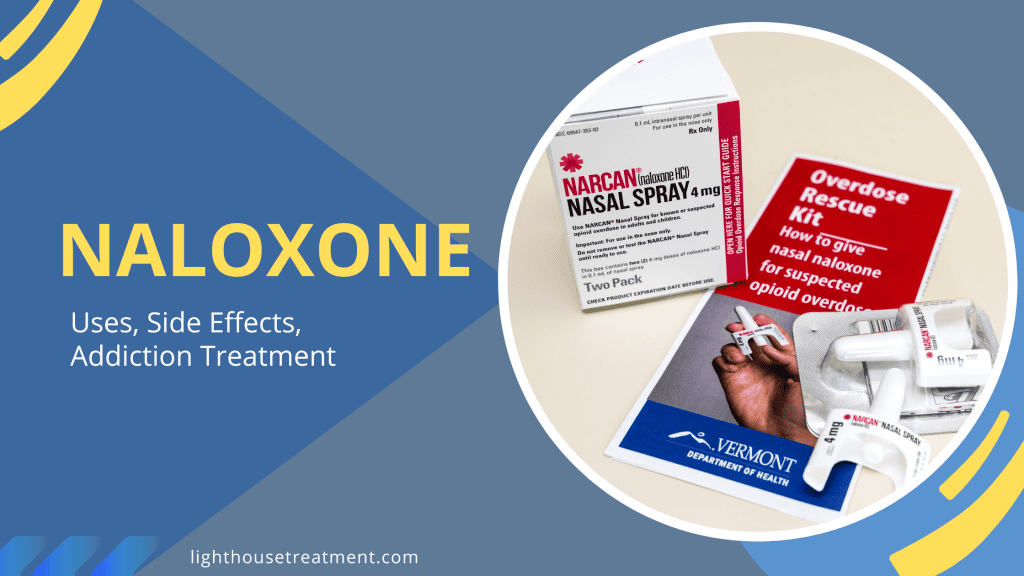
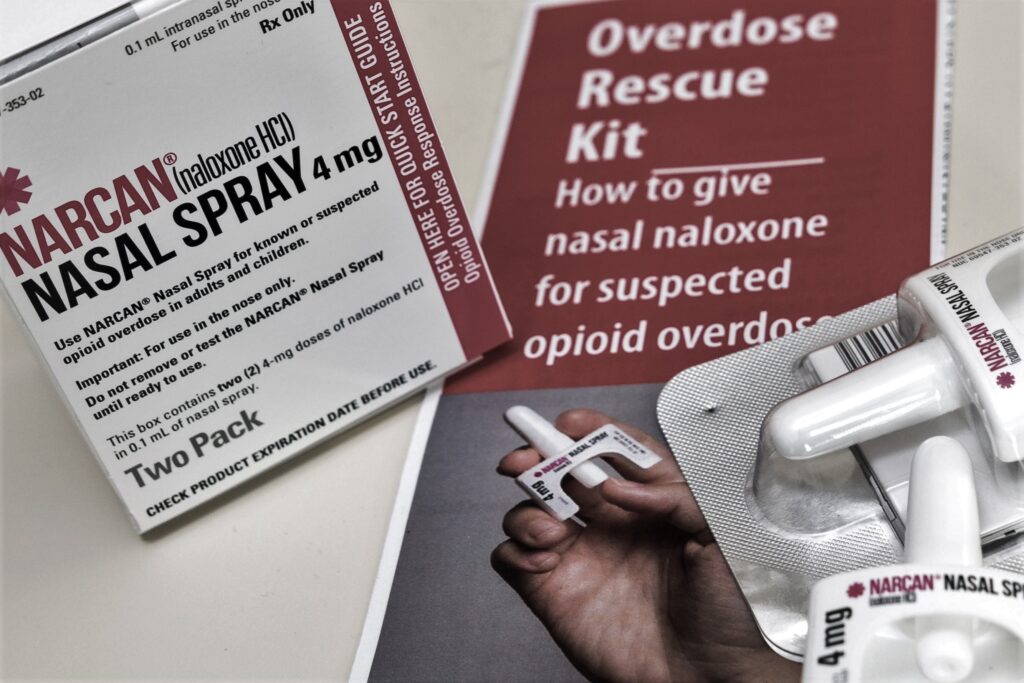
Naloxone is a medication used to reverse the effects of opioid overdose. It is an opioid antagonist that works by blocking opioid receptors in the brain and reversing their effects. As the drug blocks the effects of opioids, this can quickly restore normal breathing in someone who has overdosed. The drug is usually given as an injection but can also be given as a nasal spray.
In 2021, the U.S. Food and Drug Administration (FDA) granted approval to an eight milligram (mg) naloxone hydrochloride nasal spray product, which is significantly higher than the two mg and four mg dose of naloxone previously available for treating opioid overdose.
While the drug does have some side effects that should be monitored carefully by medical professionals, this powerful drug is quickly becoming one of the leading treatments for opioid use disorder and saving countless lives around the world every day.
How Is Naloxone Administered?
Giving naloxone is best done by a certified physician or knowledgeable medical professionals. Patients can receive this medication in two ways: intravenously or through nasal spraying.
Nasal spraying is intuitively understandable, while intravenous can be done on the muscle, under the skin, or through the veins. Typically, injections are done at the outer thigh of the patient.
Before administering naloxone to the patient, the medical staff must observe if the patient is experiencing any overdose with opioids. To know that, the following common symptoms of opioid overdose can be seen on the patient.
- Pupils become smaller than normal
- Severe sleepiness or lethargy
- Depressed breathing patterns
- Low blood pressure
Among the common symptoms, the most important to observe will be difficulty of breathing and unconsciousness of the patient. If these symptoms are observed, then giving naloxone to patients via injection is a must.
In recent times, administering naloxone by civilians as part of emergency medical care has become much more popular. This is due to the availability of easier ways to get this drug, such as through first-aid kits or over-the-counter in pharmacies and drugstores.
If you have a loved one who is experiencing an opioid overdose and naloxone is available, you can give it yourself during this emergency. After, you must seek immediate medical assistance for a full treatment application.
Make sure that the auto-injectors used for administering naloxone are only used once for sanitation purposes. Likewise, it must be stored in a cool and dry place, away from direct heat to prevent any degradation of its medicinal components. Make sure to check the expiration date before using the drug.
What to Consider Before Taking Naloxone?
Like any other medication, there are a few safety precautions and considerations you must observe before using the drug. But the safest thing you can do is avoid self-medication and always seek medical advice from certified doctors and medical staff.
Not everyone is readily compatible in taking naloxone. Some people experience allergies when ingesting this medication. Some of the common allergic reactions observed include asthma attack, sinusitis, red swollen bumps on the skin, and swelling of lips and throat.
Naloxone must be used with precaution for those with heart problems as well. If you have a heart condition, you must tell your doctor about it to prevent any complications which can cause heart attack, troubled breathing, and pneumonia. The same thing goes for people having pre-existing conditions with their liver and kidneys.
You must also disclose to the doctor if you are taking other medications as of the present moment. This is a must so that the doctor can already foresee the possible interaction with other prescription or OTC drugs.

What Are the Side Effects of Naloxone?
Although naloxone is highly effective, it may still cause mild side effects. To minimize any allergic reactions or other potential negative consequences, be sure to speak with a medical professional for advice on how best to prepare yourself and your body for taking the drug.
Below are some of the typical minor side effects:
- Sinusitis
- Elevated blood pressure
- Agitation
- Nervousness
- Slight stomach cramps or constipation
- Sweating
- Slight fever
- Sleepiness
- Sensitivity to an unpleasant environment (noisy places or direct light exposure)
Is Naloxone Safe For Pregnant Women and the Unborn?
Based on medical findings, there have not been any reports regarding the detrimental effects of this medication for pregnant women and their unborn child. However, for safety purposes, you must disclose to the doctor if you are pregnant.
Enrolling in a professional treatment program is recommended. An addiction treatment specialist will recommend whether prescribing naloxone is advised or if it’s safe to administer naloxone.
Is Naloxone Right for You?
It is never easy to recover from drug addiction and alcoholism, but it does not mean it’s impossible. It is advisable to keep naloxone on hand in case of an emergency if you or someone you love uses opioids for chronic pain or struggling with opioid use disorder.
However, despite the effectiveness of this drug to reverse opioid overdose, it’s still important to consult with an addiction treatment specialist for a comprehensive treatment program.
Undergoing a full addiction treatment plan will help you manage your addiction and slowly bring back the habit of living a healthier lifestyle.