May 8, 2023Tyler Collins
Have you ever heard of a drug that can be bought at gas stations, yet can be incredibly dangerous and addicting? It sounds like something out of a movie, but this drug actually exists. It’s called Tianeptine, and it’s become a subject of intrigue and concern among many people. Some have heard of its mood-enhancing effects and use it as a “quick fix” for depression and anxiety. Others are drawn to its pain-relieving properties, which can be particularly attractive to those struggling with chronic pain.
However, what many don’t realize is that Tianeptine is a powerful medication that can have serious consequences when not used as prescribed. In fact, its abuse has led to numerous cases of addiction, withdrawal, and even respiratory depression, which can lead to breathing coma and death. In this blog post, we’ll explore what you need to know about Tianeptine, its effects, and the dangers of its abuse.
What Is Tianeptine?
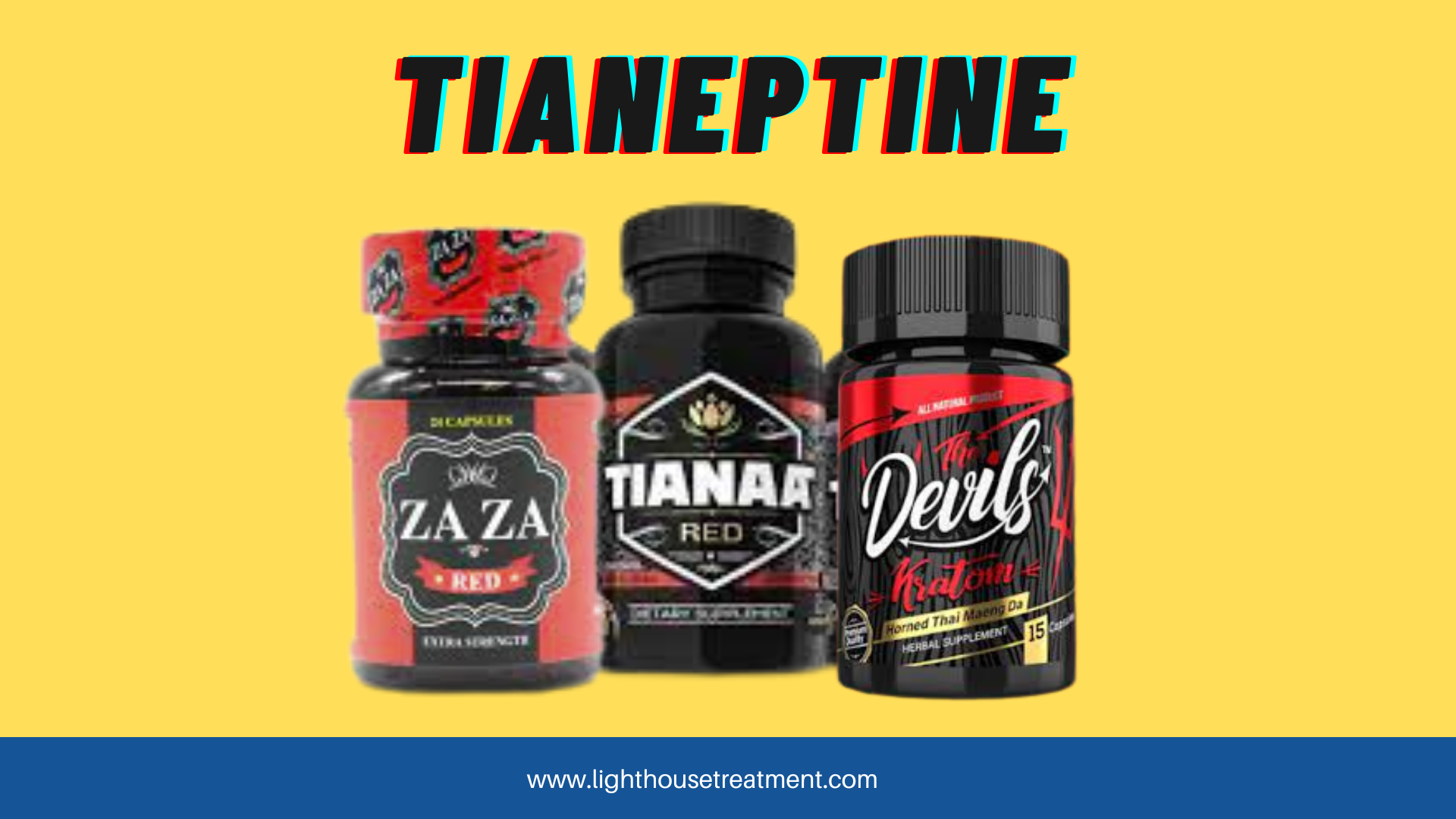 Tianeptine is a medication that is primarily used for the treatment of major depressive disorder. It is sold under various brand names in different countries, including Stablon and Coaxil. However, it has also become a popular drug of abuse due to its mood-enhancing and pain-relieving effects, particularly at high doses.
The chemical composition of Tianeptine is similar to that of tricyclic antidepressants, but it has a unique mechanism of action. It works by modulating the activity of the mu-opioid receptor in the brain, which affects mood, pain perception, and other physiological functions.
While Tianeptine is not approved for the treatment of irritable bowel syndrome (IBS), some people use it off-label for this purpose. However, this is not recommended due to the potential risks and side effects, including respiratory depression, which can lead to breathing coma and death.
What Is Zaza Tianeptine?
Zaza Tianeptine is a brand name of a medication that contains tianeptine as its active ingredient. Tianeptine is a medication primarily used for the treatment of major depressive disorder. Zaza Tianeptine is marketed as a dietary supplement and is available for purchase online, particularly in the United States.
However, it is important to note that the use of Zaza Tianeptine, or any medication containing tianeptine, for purposes other than those approved by a healthcare provider can be dangerous and can lead to adverse effects, including addiction and withdrawal.
It is crucial to use Zaza Tianeptine and other medications only as directed by a healthcare professional. If you have any questions or concerns about the use of Zaza Tianeptine, it is important to consult with a healthcare provider.
Tianeptine Abuse in the United States
 The abuse of Tianeptine has become a major concern in the United States, where it is sold in some gas stations and online as a dietary supplement. It has been reported to cause a range of adverse effects, including withdrawal symptoms similar to those of opioids, such as heroin and prescription painkillers.
When taken in high doses, Tianeptine can produce effects similar to those of selective serotonin reuptake inhibitors (SSRIs), which are commonly used antidepressants. However, Tianeptine also has unique effects on the brain, which can lead to addiction and other health problems.
The side effects of Tianeptine can include dizziness, nausea, vomiting, constipation, dry mouth, and headache. These effects can be intensified when taken at high doses or in combination with other drugs.
In cases of Tianeptine abuse or overdose, it is important to seek medical attention immediately. Poison control centers can provide information on the appropriate treatment for Tianeptine toxicity.
How Long Does It Take to Get Addicted to Tianeptine?
Studies of tianeptine withdrawal indicate that even one week of usage can lead to withdrawal symptoms in individuals who decide to discontinue the drug. This may indicate that they have become dependent or addicted to the drug.
If someone has been using tianeptine for a prolonged period or in large amounts, they may experience withdrawal symptoms rapidly due to its short half-life of approximately 2.5 hours. As tianeptine exits the body quickly, an individual might encounter strong cravings while it is being eliminated from their system.
A toxicologist based in Alabama reported hearing about patients experiencing severe agitation and withdrawal symptoms as soon as one to two hours after discontinuing use.
Is Tianeptine Banned?
Yes, Tianeptine is banned in some US states. Specifically, it is prohibited in Alabama, Kentucky, Michigan, Georgia, Mississippi, Tennessee, Ohio, and Indiana The legality of the drug can vary from state to state as its use is not approved by the FDA for any medical purpose.
Tianeptine has been a subject of controversy due to reports of dependence and abuse potential despite its therapeutic effects on anxiety and depression.
In November 2018, the FDA released a cautionary statement on tianeptine, which is sold in gas stations under various brands like Tianaa and ZaZa as a part of dietary supplements. The FDA highlighted that tianeptine has been linked to severe side effects, but since it is not categorized as a Schedule I drug, such as marijuana or heroin, law officials cannot impose a nation-wide ban. Nonetheless, the FDA is taking steps to prevent its market circulation.
Does Tianeptine Show Up on Drug Tests?
No, most standard drug tests do not detect tianeptine. However, if a laboratory specifically tests for tianeptine, then it is possible to detect the drug in urine or blood samples. Because of tianeptine not being detected in most drug screenings, users see this as an advantage to using the drug.
A judge in Illinois wants to ban tianeptine in the state. He has labeled it as “over-the-counter” heroin because he has observed its effects on people. He learned about the drug from participants in drug court who appeared to be high but still passed drug tests. Further investigation revealed that they were using tianeptine.
Get Help for Substance Abuse in Orange County, California
If you or someone you know is struggling with Tianeptine abuse or addiction, there are treatment options available. These can include detoxification, counseling, and medication-assisted treatment. With the right help and support, recovery is possible.
Contact Lighthouse Treatment Center for help.
Medically Reviewed by:

Dr. Preet Joneja PsyD and the clinical team at Lighthouse Treatment Center
Preet Joneja is the Clinical Director at Lighthouse Treatment Center based in Anaheim, California. She is a Board Certified Clinical Psychologist with over 20 years of experience working with individuals suffering from mental and emotional disorders.
Related Topics:
How Good People End Up Addicted to Opioids
Are Blue Xanax Bars B707 Dangerous? All You Need To Know
Sources:
Office of the Commissioner & Office of the Commissioner. (2022). Tianeptine Products Linked to Serious Harm, Overdoses, Death. U.S. Food And Drug Administration. https://www.fda.gov/consumers/consumer-updates/tianeptine-products-linked-serious-harm-overdoses-death#:~:text=Tianeptine%20is%20an%20unapproved%20drug,to%20warn%20of%20possible%20addiction.
Windsor, M. (2023). Toxicologist unravels the dangerous medical mystery of ZaZa, Alabama’s ‘gas-station dope’ – The Reporter. UAB Reporter. https://www.uab.edu/reporter/outreach/uab-in-the-community/item/9574-toxicologist-unravels-the-dangerous-medical-mystery-of-zaza-alabama-s-gas-station-dope#:~:text=(Mu%2Dopioid%20receptors%20are%20the,readily%20available%20in%20gas%20stations.
“It’s basically over-the-counter heroin,” says the Judge trying to ban tianeptine in Decatur. (2021, March 10). https://www.waff.com. https://waff.com/2021/03/10/its-basically-over-the-counter-heroin-says-judge-trying-ban-tianeptine-decatur/
Withdrawal from Tianeptine: Symptoms & Timeline – San Diego Addiction Treatment Center. (n.d.). San Diego Addiction Treatment Center. https://sdtreatmentcenter.com/tianeptine/withdrawal/
Medical Disclaimer:
The Lighthouse Treatment Center strives to enhance the well-being of individuals dealing with mental health disorders or substance use through accurate information about health conditions, treatment options, and their effects.
Our content is created with extensive research, citations, editing, and reviews. However, it is important to note that our information is not a replacement for professional medical advice, diagnosis, or treatment. It is recommended that you seek advice from your physician or other qualified healthcare providers.