






Don’t see your provider? Contact us to confirm coverage.
Heroin addiction is a frightening and growing problem in the United States. If you’re addicted to heroin, you may be feeling desperate to find help.
This blog post will give you information on heroin addiction, withdrawal, overdose, detox & treatment. Keep reading to learn more.
What Is Heroin?
An illegal drug that started in 1898 and was made from the natural substance extracted from the opium poppy plant. Its effects are more potent than that of opium and can be highly addictive.
The history of heroin began when a German pharmaceutical company named Bayer produced a substance that was 1.5 to twice as strong as morphine and decided to name it heroin, derived from the German word heroisch which means strong/heroic. Bayer initiated heroin’s commercialization even if they were not the first one who made the drug.
Heroin’s potency is two to five times stronger than that of morphine; it is also stronger than prescription opioids such as oxycodone and hydrocodone.
Heroin can be referred to in medical terms such as Diacetylmorphine, Diagesil, Diacetylmorphine, Diacetylmorphine, Diamorphine, Diamorf, Hydrochloride, and Heroin Hydrochloride.
The drug’s street names depend on the area that they are found or the ingredients that they are mixed with. Some street names include China White, Big H, White Lady, Black Stuff, Hero, Chiva, Dope, Heron, Scat, Snow, Skag, and Tar.
What Does Heroin Look Like?
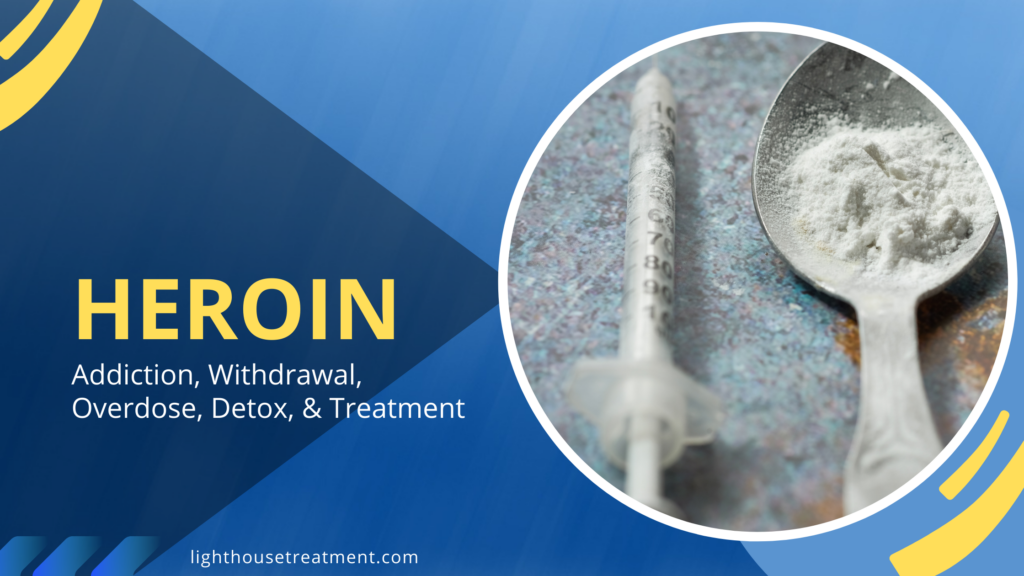
The substance’s physical appearance is often white; its pure form looks like white powder and the taste is bitter. During its production, it can be mixed with other ingredients such as sugars, quinine, starch, and even milk to make it less suspicious.
It is also available in hues of brown and black, which is popularly referred to as black tar heroin. This variation of the drug is sticky and hard as coal with its color resulting in the repetitive processing of the drug’s impurity. In this form, they are diluted and injected into the body to be absorbed.
What Is Heroin Used For?
The first marketing feat for heroin was as a treatment for tuberculosis and as a non-addictive replacement for morphine. The comparison between morphine and heroin does not differ significantly. In the 1850s, morphine was a cure for opium and when people turned to morphine for the addictive fix, heroin was considered as an alternative, not knowing that it would prove a more addictive substance.
This drug is originally a painkiller, like other opioids. It has helped forms of pain caused by surgery and terminal illnesses. Now, It is used as an analgesic and for recreation purposes. Its methods of intake are being sniffed, injected, snorted, or smoked.
The drug’s classification as a Schedule I drug in the United States indicates that it has no accepted form of medical use. While it has had its history of alleviating acute pain and severe physical trauma, over time its effects have created more negative responses in the body.
How Does Heroin Work?
It enters the body by binding to opioid receptors in cells. This activates the release of dopamine, the hormone/neurotransmitter in the brain that is responsible for the response of pleasure. When dopamine is released, it creates a feeling of happiness and well-being and it is this surge of pleasure that users feel after immediately taking the drug.
When the sensation has subsided, it is followed by a feeling of drowsiness or confusion for several hours. Depending on the person’s reaction, a user can experience what is called “going on the nod” where one goes back and forth to a conscious or semiconscious state.
How Long Before You Can Feel the Effects of Heroin?
It depends. Injecting the drug usually produces a rush within 5-10 seconds with effects lasting around 15 minutes. Smoking or snorting heroin produces the effects within 10 minutes, with the high lasting 4 to 5 hours.
However, because heroin is a highly potent drug, it doesn’t take much to feel its effects. And once someone becomes physically dependent on it, it will be difficult to stop using it.
How Long Does Heroin Stay In Your System?
While the effects of heroin can only be felt for a few hours, the drug stays in your system for much longer. Depending on the type of test used, heroin can be detected in your body for up to 90 days.
Blood test – 6 Hours
Urine test – 2-7 Days
Saliva test: – 5 Hours
Hair test – 90 Days
What are the Short and Long-term Effects of Heroin?
As it enters the body, its effects can become instantaneous especially when the mode of entry is through snorting or injecting it into the bloodstream.
Effects of the drug on the body differ because individuals have different ways of reacting. The drug can also be mixed with miscellaneous ingredients that can either enhance or subdue its ordinary symptoms.
Other effects of drug intake are having a dry mouth, experiencing warm flushing of the skin, heavy feeling in the outer extremities (legs and arms), nausea, vomiting, severe itching, and clouded mental functioning.
Long-term effects are the result of regular heroin use that causes more extensive and permanent damage. These are collapsed/clogged veins, constipation, stomach cramping, damaged nasal tissues, illnesses in the digestive system, heart or circulatory infections including infection of the heart lining and valves, hypoxia (low oxygen in the blood), insomnia, and other sleep disorders, liver damage, lung complications (pneumonia), sexual dysfunction, and fatigue.
Like all illicit drugs, habitual use will most likely affect mental faculties. This could extend to experiencing mental cloudiness, cognitive damage, personality, and antisocial disorders. The most extreme effects of the drug are respiratory failure, coma, and, in the worst case, death.
Is Heroin Addictive?
Yes, heroin is highly addictive. Addiction to the drug started from mostly opioid-based prescription medications.
80 percent of users admitted that their compulsiveness was caused by the regulation of their intake of painkillers that increased their tolerance and made them crave a substance that is stronger but cheaper.

What Are the Withdrawal Symptoms?
Once the user has decided to be sober, the individual is forced to go through a period without the drug, which can be from 24 to 48 hours. It is during or after this that withdrawal symptoms start. These can last for a week or even as long as a few months.
Without the substance altering the body, it can slowly go back into functioning normally but this usually takes medical intervention. Heroin withdrawal symptoms include cold flashes, diarrhea, insomnia, muscle and bone pain, restlessness, and vomiting.
What Causes Heroin Overdose? Signs of an Overdose
There are several possible causes of a heroin overdose. One is simply taking too much heroin at once. Another possibility is mixing heroin with other drugs or alcohol, which can enhance its effects and lead to dangerous reactions.
Finally, using impure or contaminated heroin can also lead to an overdose, as the potency and purity of the drug can be unpredictable.
The signs and symptoms of a heroin overdose can vary depending on factors like how much was taken and what it was mixed with, but typically include slow and shallow breathing, pinpoint pupils, muscle weakness, mood swings, and Loss of consciousness.
What Should You Do If Someone Is Overdosing?
If someone is overdosing, you should call for help as soon as possible. Overdoses can be very dangerous and even life-threatening, so it’s important to get medical attention right away.
Do your best to keep the person calm and comfortable until help arrives. If naloxone is available, you may also administer this medication, which can help to reverse the effects of an overdose.

How Do You Treat Heroin Addiction? Detox & Treatment
A qualified addiction treatment center can help you decide on detox and treatment. It is important that people who are addicted to heroin be under close medical supervision during detox, as withdrawal symptoms can be dangerous.
After detox, there are many different treatment options available, including medication-assisted treatment, behavioral therapies, and 12-step programs. The best treatment plan will vary from person to person.
Final Thoughts: Addressing Heroin Abuse and Addiction
Heroin abuse and addiction are serious problems that can have devastating consequences.
It is highly recommended that people who have loved ones or friends undergoing drug abuse, particularly heroin, discuss treatment options with a professional.