September 6, 2023Tyler Collins
Imagine a scenario where a person is struggling with a mental health condition, such as anxiety or panic disorder. The constant fear, racing thoughts, and overwhelming anxiety can make even the simplest tasks feel difficult. In such situations, seeking relief becomes a priority, and for many individuals, Xanax has become the go-to prescription medication.
With over a million prescriptions for Xanax written each year, it’s clear that this powerful anti-anxiety medication plays a significant role in managing mental illness. However, what remains uncertain is the fine line between finding relief and succumbing to addiction. How long does it actually take for someone to become addicted to Xanax?
In this blog, we’ll look into the complexities surrounding Xanax usage, including its long-term effects and the risk of developing a substance use disorder. We’ll explore the factors that contribute to addiction and uncover the truth behind this pressing question.
What Is Xanax and What’s It Used For?
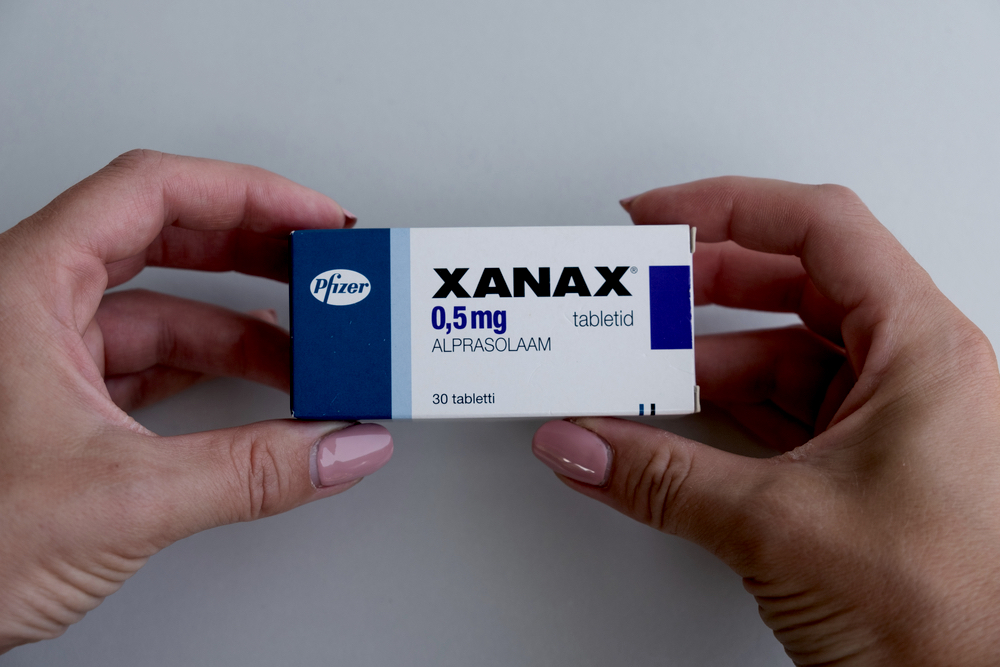 Xanax, also known as alprazolam, is a benzodiazepine medication primarily used to treat anxiety and panic disorders. It belongs to a class of drugs known for their calming and sedative effects on the central nervous system.
While Xanax can be highly effective in providing short-term relief for individuals struggling with mental health issues such as generalized anxiety disorder, it is crucial to use this medication responsibly and under the guidance of a healthcare professional. However, despite its therapeutic benefits, Xanax carries a significant risk of addiction and substance abuse.
Various factors contribute to the development of an addiction to Xanax. The drug’s fast-acting nature and potential for producing feelings of calm and euphoria make it appealing to individuals seeking immediate relief from anxiety symptoms. Unfortunately, this can lead to a dangerous cycle of dependence and misuse.
It’s important to note that addiction to Xanax is not limited to those with a pre-existing substance use disorder. Even individuals who initially take Xanax as prescribed can develop a dependency over time, especially if they exceed the recommended dosage or use the medication for longer than prescribed.
How Long Does It Take to Get Addicted to Xanax?
The timeframe for becoming addicted to Xanax can vary from person to person. It can take only a short time, such as a couple of weeks, for someone to become dependent and potentially addicted to Xanax. This applies even to individuals who are using it exactly as prescribed by their doctor.
If you’re taking Xanax recreationally or increasing your dose, the risk of addiction is even greater. The time it takes to become addicted can be accelerated due to the drug’s effects on the brain.
If you’re struggling with anxiety, it’s critical not to self-medicate with Xanax or any other drugs. This could lead to addiction and put your mental health in further jeopardy. It’s important to discuss all of your treatment options with a healthcare professional experienced in treating anxiety disorders and substance abuse.
How to Treat Xanax Abuse?
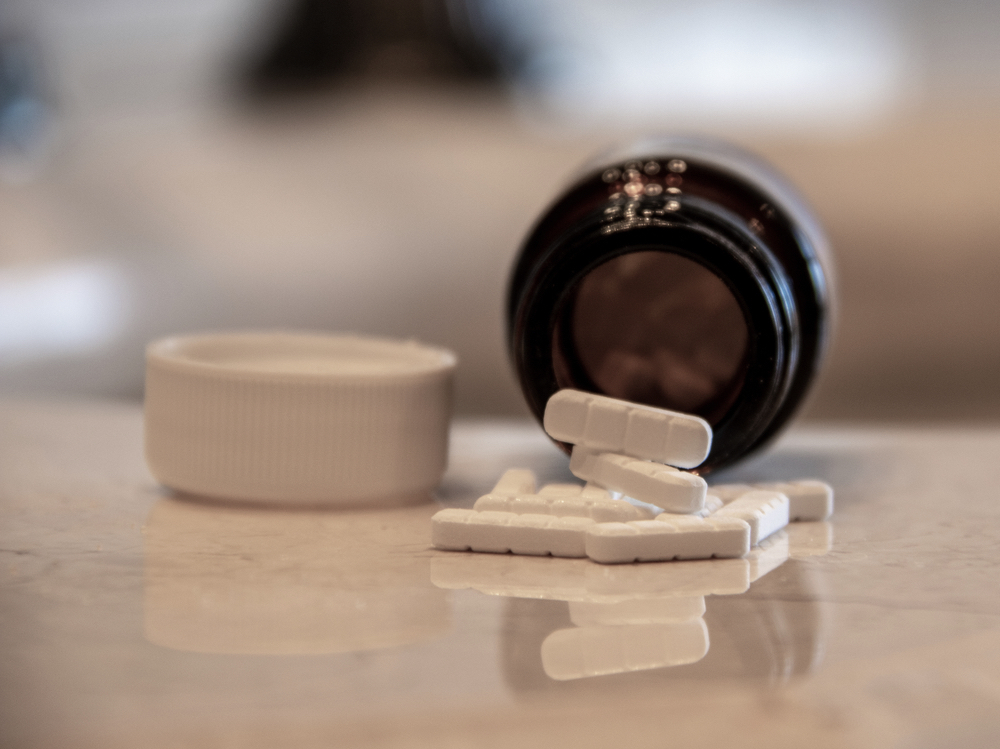 Recognizing the signs and symptoms of Xanax addiction is crucial for early intervention and proper treatment. These may include an increasing tolerance to the drug, withdrawal symptoms when attempting to stop using it, cravings, and a loss of control over Xanax use. Seeking professional help from a treatment facility specializing in addiction and mental health is essential for overcoming Xanax addiction.
Effective treatment programs for Xanax addiction often incorporate a combination of pharmacological interventions and behavioral therapies.
Cognitive-behavioral therapy (CBT) and dialectical behavior therapy (DBT) are effective behavioral therapies that empower individuals to cultivate healthier coping mechanisms for anxiety and stress. By reducing reliance on medication, these therapies enable individuals to develop sustainable strategies for managing their well-being.
If you or someone you know is dealing with Xanax addiction or mental health issues, it’s really important to reach out for help from a qualified healthcare professional or treatment program.
At Lighthouse Treatment Center, we provide comprehensive and compassionate addiction treatment for individuals with Xanax substance abuse and mental health issues through our individualized recovery program. We understand the complexities of addiction and are committed to providing each client with personalized treatment plans that meet your unique needs. Our goal is to help our clients achieve long-term sobriety, lasting mental health, and a healthier lifestyle.
Contact us today to learn more about how our team of experienced professionals can help you or your loved one on the path to recovery.
Medically Reviewed by:

Dr. Preet Joneja PsyD and the clinical team at Lighthouse Treatment Center
Preet Joneja is the Clinical Director at Lighthouse Treatment Center based in Anaheim, California. She is a Board Certified Clinical Psychologist with over 20 years of experience working with individuals suffering from mental and emotional disorders.
Related Topics:
Does Xanax Expire? Why You Should NOT Take Old Or Expired Alprazolam
How and Why People Get Prescribed Xanax
Sources:
George, T. T. (2023b, April 24). Alprazolam. StatPearls – NCBI Bookshelf. https://www.ncbi.nlm.nih.gov/books/NBK538165/
Fawcett, J., & Kravitz, M. (1982). Alprazolam: pharmacokinetics, clinical efficacy, and mechanism of action. Pharmacotherapy, 2(5), 243–253. https://doi.org/10.1002/j.1875-9114.1982.tb03191.x
Medical Disclaimer:
The Lighthouse Treatment Center strives to enhance the well-being of individuals dealing with mental health disorders or substance use through accurate information about health conditions, treatment options, and their effects.
Our content is created with extensive research, citations, editing, and reviews. However, it is important to note that our information is not a replacement for professional medical advice, diagnosis, or treatment. It is recommended that you seek advice from your physician or other qualified healthcare providers.