October 4, 2023Tyler Collins
You never quite know how to start when it comes to something as profound as this. Saying “Gabapentin ruined your life” feels like an understatement, but that’s the raw, unfiltered truth. It all started innocently enough.
You’ve heard of the drug gabapentin. It’s a medication often used for restless leg syndrome and nerve pain or neuropathic pain. It’s also used for conditions like postherpetic neuralgia (that’s the lingering pain after an outbreak of shingles). It’s also sometimes used in mental health treatment for anxiety and depression so that’s what interested you.
Anxiety had been your constant companion for years, and in your desperation for relief, you turned to gabapentin. No doctor’s advice, no prescription, just you, your anxiety, and a desperate hope for peace.
Xanax was always an option, but you had heard too many stories, read too many articles about its addictive nature. Gabapentin seemed like a safer choice. It wasn’t as potent as Xanax, but it was something. A little bit of calm in the storm of your thoughts.
The first few weeks were bliss, a newfound serenity that you hadn’t experienced in years. The way the drug works is by mimicking a natural substance in your body called gamma-aminobutyric acid (or GABA for short). GABA plays a crucial role in calming your nervous system. So, gabapentin kind of gives your body a bit more of that chill-out vibe, which can help with conditions like the ones you mentioned above.
But then, the dependence started creeping in, so subtly that you didn’t even notice it at first. You began to misuse it, taking more than you should, telling yourself it was just on the bad days. But soon, every day became a bad day without it.
Your life began to revolve around the next dose, the next moment of calm. It was no longer about managing your anxiety, it was about feeding an addiction you never saw coming. Every waking moment was consumed by a need for gabapentin. And so, here you are, trapped by the very thing you thought would set you free.
The Reality of Gabapentin Addiction
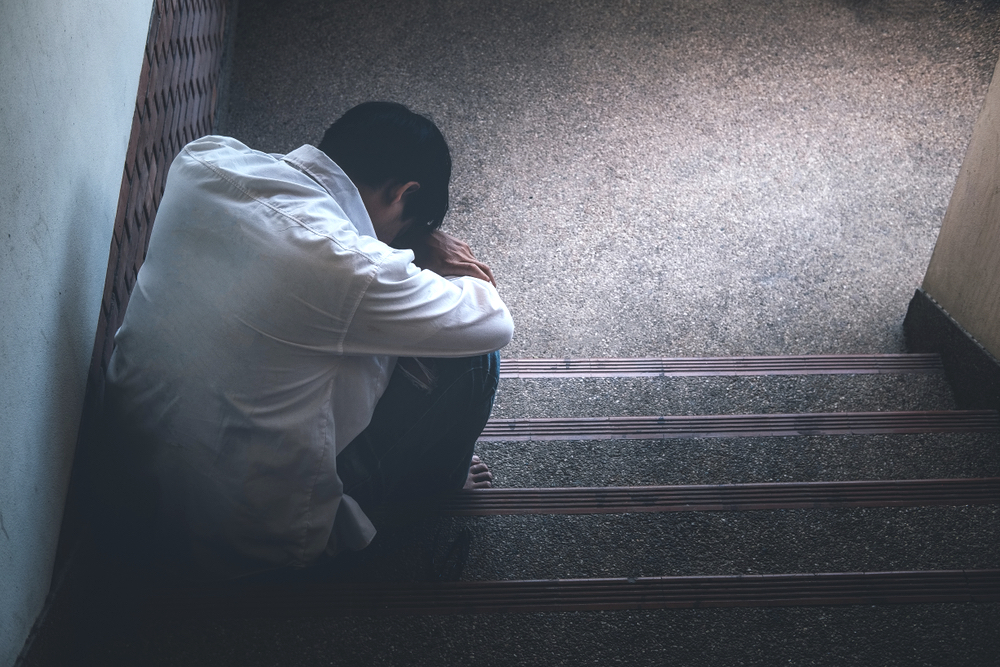 This story is not a unique one. Many people have fallen into a similar trap with gabapentin, believing it to be a safer alternative to other anxiety medications. But the truth is, any medication can become addictive if misused. And the consequences of gabapentin addiction can be just as devastating.
Gabapentin is now a controlled substance in several states. This means it’s regulated by the government because of its potential for misuse and physical dependence.
If you’ve been on it for a long period of time, especially at a higher dose, and you suddenly stop taking it, you might experience withdrawal symptoms. This is known as gabapentin withdrawal and it can be pretty tough. That’s why it’s so important to only use it under the guidance of a medical professional.
There are also potential side effects of gabapentin that you should be aware of. These can include unusual eye movements, dizziness, changes in mood, and more. As with any medication, the adverse effects can vary from person to person.
Best Gabapentin Addiction Treatment
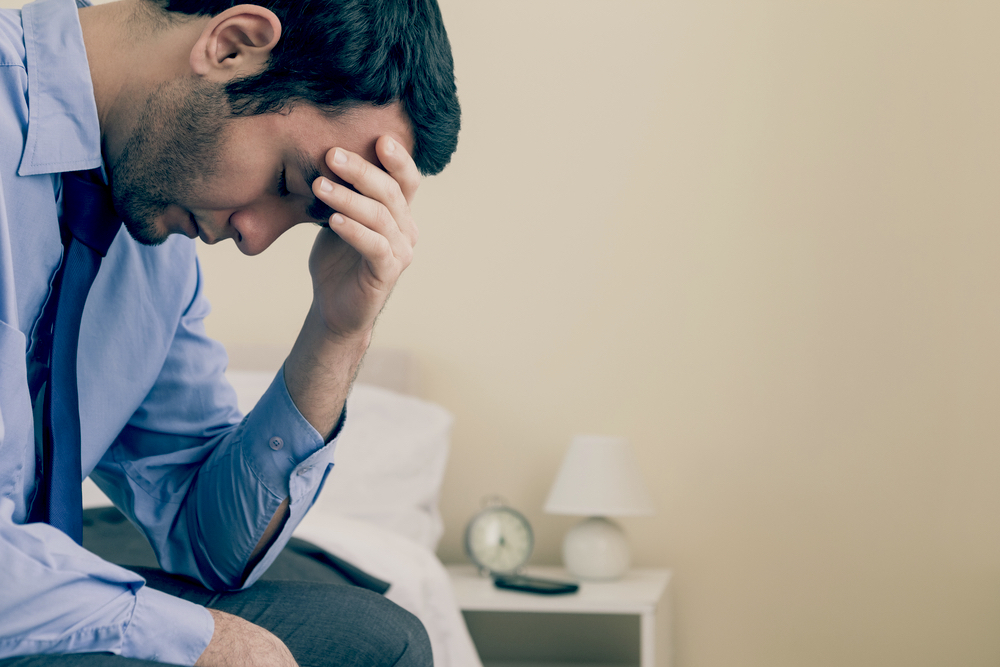 Gabapentin may have started out as a promising solution for your anxiety, but it’s important to be aware of its potential for addiction.
If you, or someone you know, is struggling with gabapentin withdrawal, treatment centers like the Lighthouse Treatment Center specialize in helping people deal with these kinds of problems. They can provide the support needed to manage withdrawal symptoms in a safe environment.
At the Lighthouse, a team of trained professionals will work with you to create a personalized treatment plan that addresses your specific needs. We use a combination of evidence-based therapies and holistic practices to help individuals overcome gabapentin addiction.
Treatment may include therapy sessions, medication-assisted treatment, support groups, and more. The goal is to not only help you through the detox process but also provide long-term support to prevent relapse and maintain a healthy, sober life. Our aftercare program ensures that you have access to ongoing support even after leaving the treatment center.
Medically Reviewed by:

Dr. Preet Joneja PsyD and the clinical team at Lighthouse Treatment Center
Preet Joneja is the Clinical Director at Lighthouse Treatment Center based in Anaheim, California. She is a Board Certified Clinical Psychologist with over 20 years of experience working with individuals suffering from mental and emotional disorders.
Related Topics:
Is Gabapentin A Controlled Substance?
17 Gabapentin Side Effects You Should Be Aware Of
Sources:
Mersfelder, T. L., & Nichols, W. H. (2015). Gabapentin. Annals of Pharmacotherapy, 50(3), 229–233. https://doi.org/10.1177/1060028015620800
Bonnet, U., & Scherbaum, N. (2017). How addictive are gabapentin and pregabalin? A systematic review. European Neuropsychopharmacology, 27(12), 1185–1215. https://doi.org/10.1016/j.euroneuro.2017.08.430
Medical Disclaimer:
The Lighthouse Treatment Center strives to enhance the well-being of individuals dealing with mental health disorders or substance use through accurate information about health conditions, treatment options, and their effects.
Our content is created with extensive research, citations, editing, and reviews. However, it is important to note that our information is not a replacement for professional medical advice, diagnosis, or treatment. It is recommended that you seek advice from your physician or other qualified healthcare providers.