






Don’t see your provider? Contact us to confirm coverage.
When it comes to recovering from addiction, there are many different options out there. Some people may try traditional 12 step programs, while others may explore holistic or alternative approaches.
One option that is being used is dialectical behavior therapy or DBT. This approach has been shown to be successful in helping people manage their addiction and build healthy lives.
If you’re interested in learning more about DBT and its role in addiction recovery, keep reading.
Usage of Dialectical Behavior Therapy (DBT) in Recovering from Addiction
DBT, or Dialectical Behavior Therapy, is a type of therapy that helps people who have difficulties in regulating their emotions. DBT is based on the premise that our emotions are valid and that it is okay to have them. However, it is also important to learn how to cope with them healthily.
DBT aims to help people do this by teaching skills such as emotional regulation, mindfulness, and distress tolerance. This therapy can help you build a strong positive behavior to counter the negative impacts of drugs on your personality, mood, and behavior.
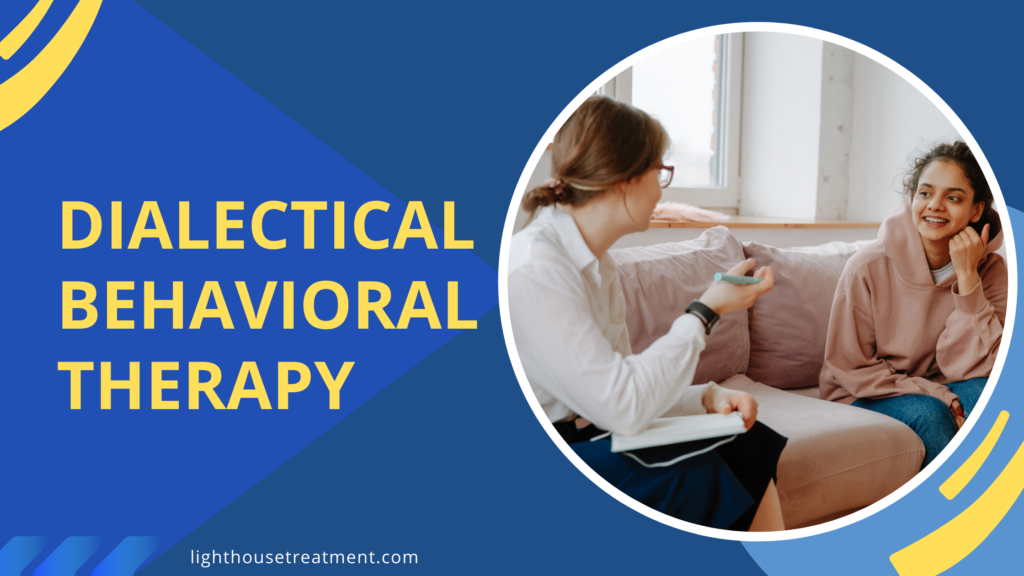
DBT can also motivate you to accept your condition and the need to change your mindset and behavior for long-term sobriety.
Some of the typical things you can expect from undergoing DBT include the following:
- Forming solid foundations of positive thoughts in your head
- Formulating healthy coping mechanisms when encountering a trigger
- Self-discipline to stop craving for the substance and alcohol
Dialectical Behavior Therapy (DBT) aims to reinforce these four major areas in life:
1. Emotional Stability
Emotional distress from trauma or any tragic event can be a trigger to abuse drugs and alcohol to feel better. DBT aims to re-establish your control and rationalization about your feelings and the right coping mechanism to do.The therapist facilitates your ability to regulate your emotion to avoid any impulsive and detrimental reactions.
2. Self-Awareness Ability of the Present Time
This entails helping you gain awareness of the present situation. It is a must that you must not get overwhelmed with any triggers or past experiences, as this can push you into using the abused substance. Consequently, the therapist will apply the best practices to develop the stillness of your mind and the ability to stay calm in any situation.
3. Relationship to Others
Drug addiction and alcoholism can disrupt your normal relationship with your loved ones, friends, and relatives. DBT does an effective job of re-establishing these close ties by clearing off your attachment to drugs and alcohol. With that, you are more able to socialize properly with other people.
4. Stress Management Skills
Frustration, denial, anxiety, and depression are just some of the common negative stress you may encounter as you begin treatment. With DBT, you are guided by the therapist in combating these negative stresses and preventing the consumption of drugs to induce a euphoric feeling.

Application in Rehab Treatment Programs
Dialectical Behavior Therapy (DBT) was founded by Dr Marsha M. Lineman when she was treating patients with Borderline Personality Disorder. Nonetheless, the proven results of DBT have shown potential signs of treating other mental disorders like OCD, anxiety, and substance abuse.
You have two main options for treatment, that is, inpatient and outpatient treatment plans. Based on several studies, incorporating Dialectical Behavior Therapy in inpatient rehab treatment programs has shown exceptional signs of recovery, compared to outpatient plans.
Once you start undergoing DBT, the goal for recovery is broken down into smaller goals. With this, you get to achieve these goals step by step until you reach full recovery.
DBT promotes specific positive behaviors that shall support long-term sobriety. These targeted positive behaviors include:
- Minimizing the negative impact of withdrawal symptoms
- Formulation of healthy coping mechanisms to prevent any relapse
- Staying away from triggers and external factors that can tempt you to abuse substances again
- Promoting a healthy and supportive environment for long-term recovery
The main impact of DBT is to help you focus on your recovery. It can help you clear off negative thoughts that can tempt you from taking drugs and alcohol again. Overall, self-awareness and a positive mindset is the key to long-term sobriety.
The critical factor for DBT to work effectively is the smooth collaboration between you and the therapist. You must both work together so there will be an efficient flow in the treatment program. It might be challenging in the initial stages but this can work out in the long run.
Benefits of Dual Diagnosis Treatment
Aside from DBT, you can also incorporate Dual Diagnosis Treatment (DDT) in helping patients recover from two or more mental diseases due to addiction and substance dependence.
For instance, if you had difficulty in mending broken relationships and sad experiences in the past, then that increases the risk for a relapse. DDT aims to help establish control over the mind and emotions.
As stability in the mind and behavior is achieved, it hastens the recovery process. Consequently, all therapists want their patients to have a clear head and a strong focus on religiously doing their treatment programs.

Is DBT the Right Treatment for You?
If you are considering DBT for yourself or a loved one, it is important to consult with a professional to see if DBT is right for you. In Dialectical Behavior Therapy, the therapist provides full assistance in helping you identify which areas of your life need healing. Once these affected areas are established, you and the therapist work together in finding ways to reconstruct these areas.
Finding the right addiction treatment center is also a challenge. There are many options to choose from and it can be daunting to decide which one is the best for you or your loved ones. You must do your research to find a reputable and accredited treatment center that offers tailor-made substance abuse treatment programs to fit your unique needs.
Choosing the right addiction treatment center is a very important decision. You want to make sure that you or your loved one will be in good hands and that the treatment center has a good track record of helping people recover from addiction.