






Don’t see your provider? Contact us to confirm coverage.
Are you considering different options for addiction recovery? If you’re like most people with addiction, you’ve probably tried multiple ways to recover from your disease. You may have gone to rehab, attended support groups, or worked with a therapist.
But have you ever tried or heard of biofeedback therapy? If you’re interested in learning more about biofeedback, keep reading. We’ll explore what it is and how it can help you recover from addiction.
What Is Biofeedback?
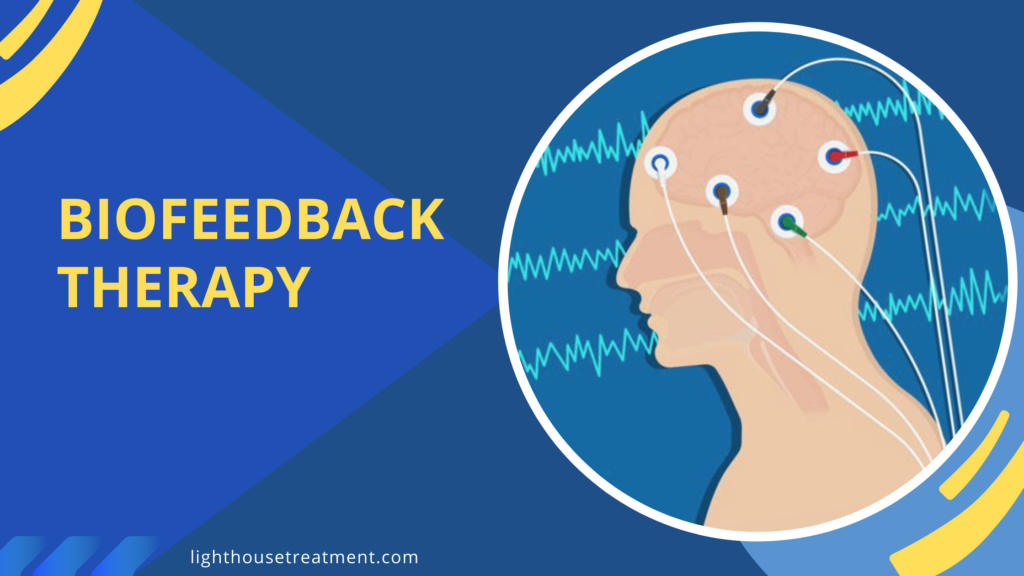
Biofeedback is a type of therapy that uses technology to help you learn how to control your body’s response to stress. It can be especially helpful for people who have struggled with addiction for a long time.
Withdrawal symptoms are inevitable if you’re undergoing rehab treatments, particularly in the detoxification process. These withdrawal symptoms become severe depending on what substance you’re detoxing from and how long you’ve been abusing it.
If these bodily reactions become strong and painful, you may have a difficult time relaxing. Furthermore, if you’re going through therapy and experiencing severe withdrawal symptoms, you have a significant chance of relapsing.
To ease these withdrawal symptoms, biofeedback can help you develop a healthy coping mechanism. The main goal of biofeedback is to control certain reflexes or body reactions due to abstinence and detoxification of substance abuse. Some of these bodily functions or reactions include elevated blood pressure, twitching, muscle pains, and others.
What Are The Advantages of Using Biofeedback Theory for Treating Addiction?
There are some significant advantages to using biofeedback therapy for treating addiction. These advantages include the following:
1. Painless and Efficient
The entire process of this therapy is painless and efficient because you simply need to sit down while the machine scans your vital signs, brain waves, and other hormones. Once the machine is done scanning, the results will be tabulated for the doctor’s analysis and interpretation.
The doctor will then talk about the results and what can be done to help with your withdrawal symptoms and overall behavior.
2. Drug-Free Approach
Unlike medication, there are no prescription drugs involved in biofeedback, so there will be less chance of developing a dependence on medicinal drugs.
3. Can be Combined with Other Treatment Approaches
Biofeedback can be readily paired with other behavioral treatment plans to create a holistic impact on your recovery. Likewise, it impacts both the physical and emotional concerns induced by addiction and drug dependence.
4. Stress Relief
Through this therapy, your stress level can be reduced to stabilize your emotion and behavior. With this, you may have a better chance of preventing relapse and finishing the treatment program.
5. Patient Education
One of the best advantages of this therapy is that it can give you a better understanding of how addiction and withdrawal symptoms affect you as a whole. This type of knowledge can be empowering and motivating, pushing you to stick to your treatment plan and achieve long-term sobriety.
What Makes Biofeedback Therapy Effective
The brain is the one most affected due to addiction and drug dependence. The normal hormones and functioning in the brain are altered the moment you abuse any substance or alcohol.
Consequently, your behavior, emotion, and physical condition are altered due to the presence of toxic chemicals in the brain and system. Biofeedback can help in several ways, which include the following:
- Helps bring back the sharpness of your cognitive functions
- Assist in your emotional stability
- Improves your ability to manage stress
- Prevents the development of unhealthy behaviors
- Gradual chance of any impulsive action
- Reduction of cravings
- Prevents the chance of getting a relapse
- Better management of withdrawal symptoms
Biofeedback focuses on your brain waves and hormones. The doctor or physician will craft a custom-fit treatment plan that can help you gain back healthy brain function and take back control of your life.
How Does Biofeedback Work?
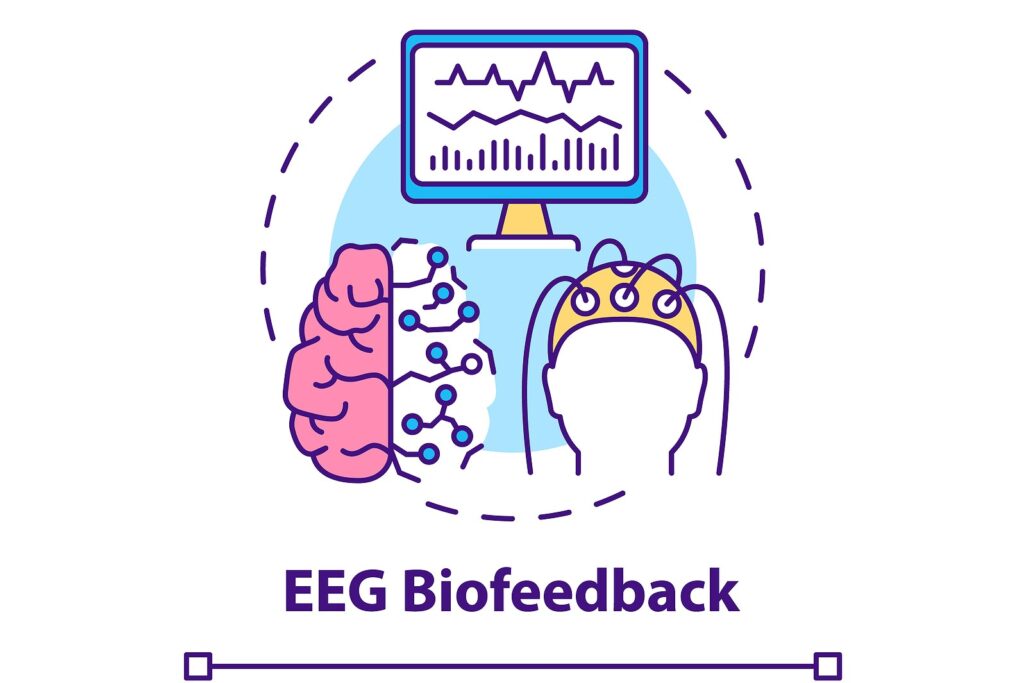
The doctor will use a piece of machinery wherein sensors will be attached to you to measure certain features which include brainwaves, heart rate, muscle tension, and body temperature.
The main objective of this therapy is to increase your awareness of your condition and how you can control your actions, feelings, and thinking.
Technically, this method measures two major waves inside the brain, that is, alpha and beta waves. Electrodes will be placed on the scalp and used to measure these brainwaves.
Is Biofeedback Treatment Right for You?
Biofeedback has helped many people in their journey to recover from substance abuse and dependence. It can help the individual achieve balance in one’s brain functionality to be able to control impulsivity and physical actions.
Knowing whether this is the right treatment program for you can be tricky. The best way to know is to consult with a professional who specializes in addiction treatment and recovery, such as a licensed psychologist, psychiatrist, or addiction counselor.
The professional will then conduct an assessment to know your condition and the severity of your addiction. They will also ask about your medical history and current medications to ensure that you are a good candidate for this treatment.
Other factors that will be considered are the presence of other mental disorders and your motivation for treatment. If the expert believes that biofeedback can help you, they will then create a treatment plan based on your needs.
If you believe you need help with your addiction, do not hesitate to talk to medical personnel from a reputable addiction treatment center to achieve a personalized treatment program for your recovery from addiction or drug dependence.