August 19, 2024Tyler Collins
A bottle of vodka can sit in your liquor cabinet for months, even years, without being opened. But then the question comes to your mind: does vodka go bad?
Is it safe to consume that dusty old bottle you’ve been holding onto for a special occasion? With so many conflicting opinions and misinformation out there, it’s time to set the record straight.
In this blog post, we’ll answer this pressing question. It will also help you determine whether it is safe to drink that bottle or if it’s much better to pass so you don’t compromise your safety. Read on to learn more about vodka’s shelf life.
What is vodka?
Vodka is a clear, distilled alcoholic beverage typically made from fermented grains or potatoes. It is known for its neutral flavor and high alcohol content, which generally ranges between 35% and 50% by volume. The distillation process involves heating the fermented ingredients to evaporate the alcohol, which is then condensed back into liquid form. This method removes many impurities, contributing to vodka’s smooth texture and clean taste.
The origins of vodka can be traced back to Eastern Europe, with Russia and Poland often credited as its birthplace. Over the years, vodka has evolved into a popular spirit enjoyed worldwide, whether consumed straight, in cocktails, or mixed with other beverages.
Due to its versatility, vodka serves as the base for countless cocktails, including classics like the Moscow Mule, Bloody Mary, and Vodka Martini. Despite its popularity, not all vodkas are created equal, and variations in the ingredients and distillation processes can lead to differences in quality and taste.
Does vodka go bad?
 It depends. When it comes to the shelf life of vodka, the answer varies depending on the type of vodka in question. Unflavored vodka in an unopened bottle can last for decades, thanks to its high alcohol content that acts as a preservative. However, once you crack open a bottle, the clock starts ticking on its freshness.
Opened bottles of vodka have a significantly shorter shelf life compared to unopened ones, but with proper storage, they can still maintain their quality for a considerable period. Vodka stored in a cool, dark place is crucial to preserving its flavor and aroma. In ideal conditions, opened bottles of vodka can last anywhere from 10 to 20 years, showing the indefinite shelf life potential of this spirit when handled correctly.
The reason why opened bottles of vodka eventually deteriorate in quality is primarily due to oxidation. When vodka comes into contact with air, especially in larger quantities due to the bottle being opened, the oxygen initiates chemical reactions that can alter the taste and quality of the spirit over time. To combat this, ensuring the bottle is sealed tightly after each use and stored properly can help delay the oxidation process and extend the vodka’s shelf life.
Flavored vodkas, particularly those infused with artificial flavors, have a much shorter shelf life once opened. It’s recommended that these varieties be consumed within 90 days before the flavor and quality begin to change. The added ingredients in flavored vodkas make them more susceptible to changes in taste and aroma compared to their unflavored counterparts.
So while unopened bottles of vodka boast a long shelf life, sealing and storing vodka properly once is important to maintain their quality over time.
Why you should not drink an old bottle of vodka
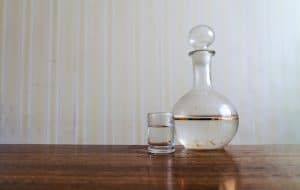 If you’re not certain whether that old bottle of vodka hidden at the back of your kitchen cabinet is still safe to drink, the answer is simple: don’t risk it. You have to check the liquid if the color, smell, and taste have changed. If you’re not sure, it’s best to err on the side of caution and dispose of it.
Aside from potential changes in taste and aroma, there are other reasons why you should not drink an old bottle of vodka. If the alcohol evaporates and the bottle is left unsealed, it can create a breeding ground for bacteria, which can lead to food poisoning or other health risks. In addition, old vodka may contain higher levels of impurities due to prolonged exposure to air.
If you’re struggling with substance abuse and you’re trying to satisfy your cravings with an old bottle of vodka, it’s important to seek help and find healthier coping mechanisms. Drinking old or expired alcohol can have serious consequences for your health and well-being.
For people in addiction recovery, drinking an old bottle of vodka can also lead to relapse. It’s important to have a support system and seek professional help if you’re struggling with sobriety.
Contact Lighthouse Treatment Center today to learn more about our alcohol addiction treatment programs.