May 16, 2023Tyler Collins
Cocaine is a powerful stimulant drug that is derived from the coca leaves of the coca plant found in South America. It is one of the most commonly abused drugs in the United States and around the world, and is known for its powerful effects on the brain and body.
Cocaine hydrochloride is the most common form of cocaine and is often cut with other substances such as talcum powder or cutting agents to increase its volume and profits.
But what does cocaine taste like?
In this blog post, we will explore the taste of cocaine, why it tastes the way it does, and how it may be linked to addiction.
What are the Common Descriptions of Cocaine Taste?
One of the most common descriptions of the taste of cocaine is that it is bitter. Many people also identify cocaine as having a metallic or chemical taste, and some say that it is slightly sweet or sour. The taste of cocaine can vary depending on the purity of the drug, as well as how it is consumed. For example, powder cocaine may taste different than crack cocaine or cocaine in rock form, which is a form of cocaine that has been processed into small rocks.
Interestingly, some people do not taste anything at all when they consume cocaine. This may be because they have become desensitized to the taste over time, or because they have damaged their taste buds through long-term drug use. On the other hand, some people find the taste of cocaine so unbearable that they cannot bring themselves to use it again.
Why Does Cocaine Taste the Way it Does?
 The taste of cocaine is largely due to its chemical makeup. Cocaine is an alkaloid, which means that it is a bitter-tasting compound that contains nitrogen. It is also a stimulant drug, which means that it affects the central nervous system and causes a release of dopamine, a neurotransmitter that is associated with pleasure and reward.
When cocaine is ingested, it is absorbed into the bloodstream and transported to the brain. Once it reaches the brain, it binds to dopamine receptors and prevents the reuptake of dopamine, causing an increase in dopamine levels in the brain. This is what produces the intense feelings of euphoria and pleasure that are associated with cocaine use.
The method of consumption can also affect the taste of cocaine. When cocaine is snorted, it is absorbed through the nasal membranes and may cause a burning or numbing sensation in the nose and throat. When it is smoked, it may taste like burning plastic or chemicals, and when it is injected, it may taste like metal.
Other factors that can affect the taste of cocaine include the purity of the drug and the presence of additives. Cocaine that is cut with other substances, such as sugar or baking soda, may have a different taste than pure cocaine. Some additives can also be dangerous, as they can cause adverse health effects or increase the risk of overdose.
How is the Taste of Cocaine Linked to Addiction?
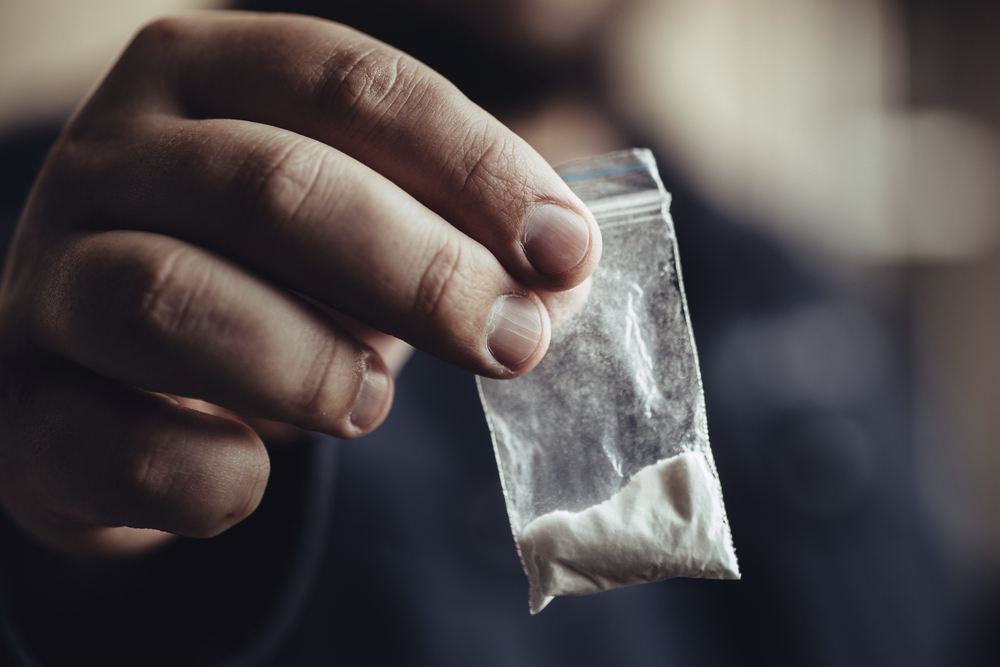 The taste of cocaine may play a role in addiction by creating powerful associations and cues that trigger cravings and relapse. Research has shown that taste cues can be powerful triggers for cocaine abuse, as they can activate memories and emotions associated with previous drug use experiences.
For example, if someone has used cocaine in the past and associates the taste with the pleasurable effects of the drug, they may experience cravings when they encounter the taste again. This is one reason why people who are trying to overcome cocaine addiction may need to avoid situations or stimuli that remind them of using or smoking crack cocaine, freebase cocaine, or cocaine white powder.
The taste of cocaine may also be linked to addiction through the reward pathway in the brain. When cocaine is ingested, it activates the release of dopamine in the brain, which creates feelings of pleasure and reward. Over time, repeated cocaine use can lead to changes in the brain’s reward system, making it more difficult for individuals to experience pleasure from other activities or stimuli.
In addition to its effects on the reward pathway, cocaine use can also lead to physical dependence and withdrawal symptoms.
Get Help for Cocaine Addiction in Orange County, CA
If you or someone you know is struggling with cocaine abuse, it is important to seek help from a qualified professional. Treatment programs and treatment centers in Orange County, CA are available to help individuals overcome their addiction to cocaine. These programs may include behavioral therapies such as cognitive-behavioral therapy, contingency management, or medication-assisted treatment.
Cocaine addiction is a complex disease that requires personalized treatment. A qualified addiction specialist can help identify the best treatment options for your needs and guide you through the recovery process. This may involve inpatient or outpatient treatment, detoxification, and ongoing counseling and support.
Contact Lighthouse Treatment Center for help.
Medically Reviewed by:
 Dr. Preet Joneja PsyD and the clinical team at Anaheim Lighthouse
Preet Joneja is the Clinical Director at Anaheim Lighthouse in Anaheim, California. She is a Board Certified Clinical Psychologist with over 20 years of experience working with individuals suffering from mental and emotional disorders.
Related Topics:
What Does Cocaine Smell Like? Identify Cocaine By How It Smells
Can Cocaine Kill You? 5 Horrifying Ways It Will
Sources:
Richards, J. R. (2023b, January 8). Cocaine. StatPearls – NCBI Bookshelf. https://www.ncbi.nlm.nih.gov/books/NBK430769/
Cocaine DrugFacts | National Institute on Drug Abuse. (2022, December 19). National Institute on Drug Abuse. https://nida.nih.gov/publications/drugfacts/cocaine
Medical Disclaimer:
The Lighthouse Treatment Center strives to enhance the well-being of individuals dealing with mental health disorders or substance use through accurate information about health conditions, treatment options, and their effects.
Our content is created with extensive research, citations, editing, and reviews. However, it is important to note that our information is not a replacement for professional medical advice, diagnosis, or treatment. It is recommended that you seek advice from your physician or other qualified healthcare providers.