






Don’t see your provider? Contact us to confirm coverage.
If you are like most people, the idea of going to a treatment center for drug or alcohol addiction makes you feel anxious and uncomfortable. You may be worried about what others will think, how much it will cost, or whether you will be able to handle the program on your own. But what if there was another option? What if you could get the help you need without having to leave home?
Outpatient treatment is a viable option for many people struggling with addiction and provides several benefits that inpatient treatment does not. In this post, we’ll discuss what outpatient treatment is, the benefits of outpatient addiction treatment, and whether this is the right treatment for you.
Inpatient versus Outpatient Treatment
In inpatient treatment, the individual will be placed inside a facility that isolates him from the community. This facility provides a secure, comfortable, and cozy environment where the person can greatly focus on one’s recovery from addiction.
Meanwhile, outpatient care is the opposite. It allows the person to stay in his current home with strict supervision and compliance with all medications and therapy. There is greater flexibility for the patient when he is on an outpatient treatment plan.
An outpatient treatment program is a good option for individuals suffering from substance abuse and dependence who do not want to be or cannot afford to stay away from their home, work, and family. The person undergoing this treatment plan still enjoys the benefits of a comprehensive recovery program through medication and periodic counseling.
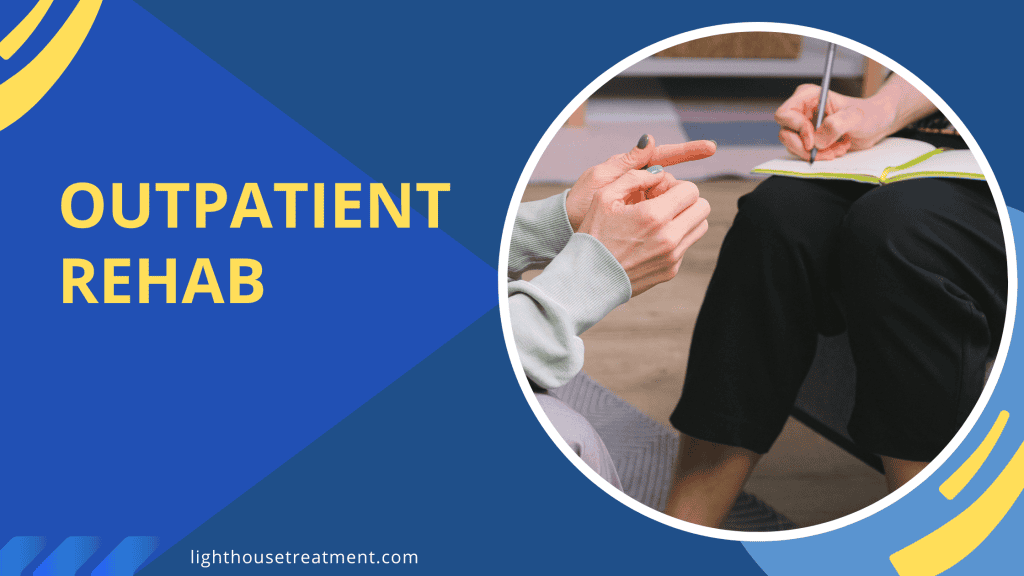
The medical personnel assesses the progress of the patient’s recovery through constant and scheduled sessions for counseling. This is necessary so that there will be close monitoring of the person’s recovery status.
People who feel home-sick will never be alone when they do outpatient plans because of the easy access and communication with their families and friends. Aside from that, there are also support groups such as Alcoholics Anonymous (AA) and Narcotics Anonymous (NA) for group counseling.
In these sessions, all members are given the chance to share inspirational experiences to help everyone gain meaningful insights and motivation to push forward with their recovery process.
Primary Benefits of Outpatient Treatment Recovery Plan
There are several reasons why outpatient treatment is a popular choice among people who are trying to overcome addiction. Here are some of the primary benefits:
1) Outpatient treatment allows for more privacy
Keeping your addiction private is easier to do when you’re not in a residential treatment program. You can continue to live at home, go to work, and take care of your family while still getting the help you need. You can save yourself from the hassle of explaining your whereabouts to others and having to deal with the stigma that can come with addiction.
2) Outpatient treatment is more cost-effective
Outpatient treatment is often more affordable than inpatient treatment since you don’t have to pay for housing or food while in treatment. It’s a good alternative for those who are on a budget or who have insurance that doesn’t cover residential addiction treatment.
3) Outpatient treatment allows more flexibility
Outpatient treatment programs offer more flexibility than inpatient treatment since you’re not required to stay at the facility 24/7. Many people struggling with substance abuse often have responsibilities that they cannot neglect, such as work or taking care of their family. With outpatient treatment, you can still fulfill your responsibilities while getting the help you need.
While we recommend that inpatient treatment is still the best approach, we cannot deny that it may not be immediately available or realistic for some people. Outpatient treatment is an alternative that can still provide significant results.

What to Expect in an Outpatient Recovery Program
When you go for outpatient treatment, you are expected to be religious in keeping up with your scheduled appointments and sessions with medical personnel. In line with this, there are specific rules and regulations to abide by for each check-in appointment with your counselors or physicians.
Overall, an outpatient treatment plan will include the following:
- Group therapy sessions
- Individual therapy sessions
- Medical and behavioral treatment of co-occurring disorders and diseases
Technically, the range of outpatient programs can vary from highly intensive to low intensive treatment plans. The level of treatment given to each individual varies depending on certain factors such as degree of addiction, emotional support system, family background, medical history, and more.
Generally, an individual undergoing outpatient treatment is required to render 30 hours per week for treatment appointments with their designated medical personnel. If complications are likely to happen, the patient is given round the clock access to their respective health advisor.
If the patient can satisfactorily comply and show signs of significant improvements from their treatment, the required hours of treatment sessions per week will slowly decrease. The person must do his best to stay sober even after the completion of the outpatient recovery program.

Importance of Treatment for Lifetime Recovery
Overall, outpatient recovery programs are a cost-efficient solution that helps patients recover from substance addiction without compromising work or education. Normally, the intensity of a patient’s treatment program decreases once there is a strong sign of stability and improvements in one’s health and behavior.
For patients suffering from severe substance abuse and addiction, an inpatient treatment program is normally given. After some time, when the patient shows signs of recovery, the treatment plan can shift to a less intensive outpatient treatment program.
There are benefits and setbacks from outpatient treatment plans, the same thing with inpatient programs. However, for people with inevitable commitments to their school or work, an outpatient recovery plan poses a versatile solution to meet both ends.
If you aim to go for outpatient treatment, you must ensure to comply with all treatment sessions and shy away from bad influences which can trigger a relapse. You have to be committed to your sobriety for a lifetime for outpatient treatment to be effective for you.