






Don’t see your provider? Contact us to confirm coverage.
Marijuana. Weed. Cannabis… Whatever you call it, this drug is one of the most commonly used in the United States. For some, marijuana can be a godsend, providing relief from conditions such as chronic pain, anxiety, and depression. But for others, marijuana can be addictive and lead to debilitating withdrawal symptoms.
Read on to learn more about marijuana addiction, withdrawal, overdose, detox, and treatment.
What Is Marijuana?
Marijuana, also known as Cannabis Sativa, is a natural substance that has both medicinal and negative effects on the user. The active component of this substance is tetrahydrocannabinol (THC).
In general, this substance is classified as a depressant with few properties of a hallucinogen and a stimulant. It acts on the brain of the user where it induces a spike in brain alertness, muscle movement, and behavior.
This substance is mostly abused for recreational purposes due to its euphoric sensation. Likewise, it has another active ingredient called cannabidiol (CBD), which contributes to its medicinal benefits.
This substance is also known for other scientific and street names. There are three common scientific names for marijuana: Cannabis Indica, Cannabis Sativa, and Cannabis ruderalis.
Meanwhile, the street names of this substance can vary depending on factors such as culture, location, and quality of the product. Street names are used to cover the real identity of the drug when doing illegal transactions.
Some of its common street names are weed, reefer, skunk, mary jane, broccoli, bhang, aunt Mary, astro turf, and dope. In terms of location, it has the following street names: Panam Gold, Maui Wowie, Black Russian, Texas Tea, Thai stick, and Colombo.
In terms of quality, the street names for good quality marijuana are righteous bush, nug, kind bud, dank, bud, hydro, chronic, and good stuff. Whereas, the street names for the low-quality ones are dirt grass, swag, ragweed, burger, bammies, cabbage, and charge.
What Does Marijuana Look Like?
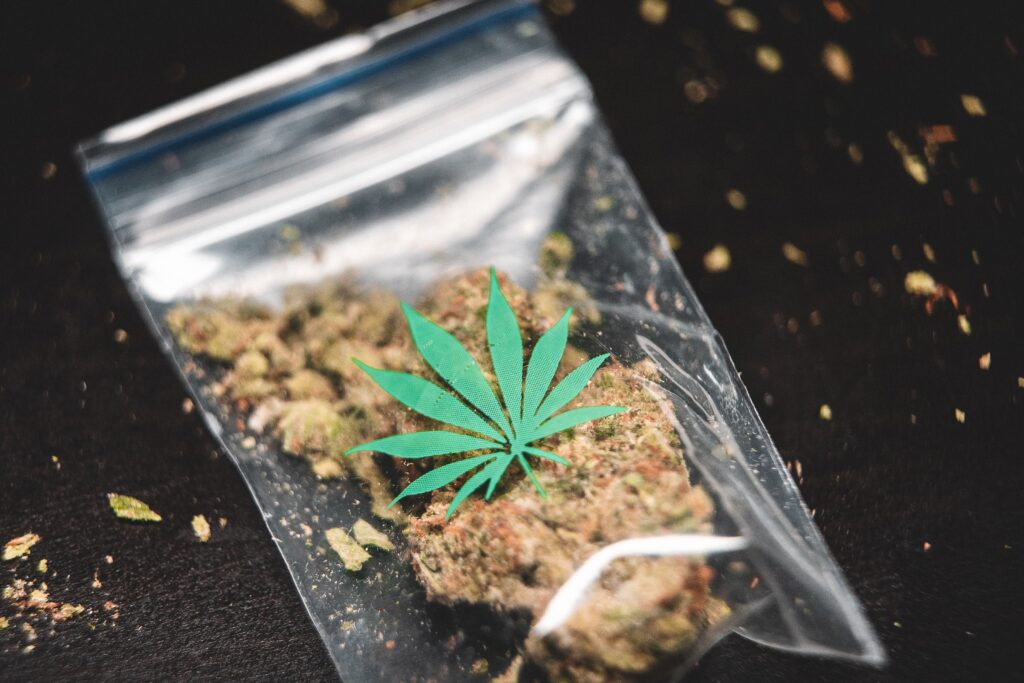
This drug is available in different forms in the market with specific ways of taking them. The most common forms of this drug in the market are cigarettes, hashish, medicinal marijuana, paraphernalia, ingestible, and weed.
Medicinal marijuana is different from illicit ones because it contains the purest form of the two active ingredients of this drug: cannabidiol and delta-9-tetrahydrocannabinol (TBC). This drug can be taken orally, intravenously, or through inhalation. Some of the common illnesses cured by this substance include post-traumatic disorder, anxiety, and obsessive-compulsive disorder.
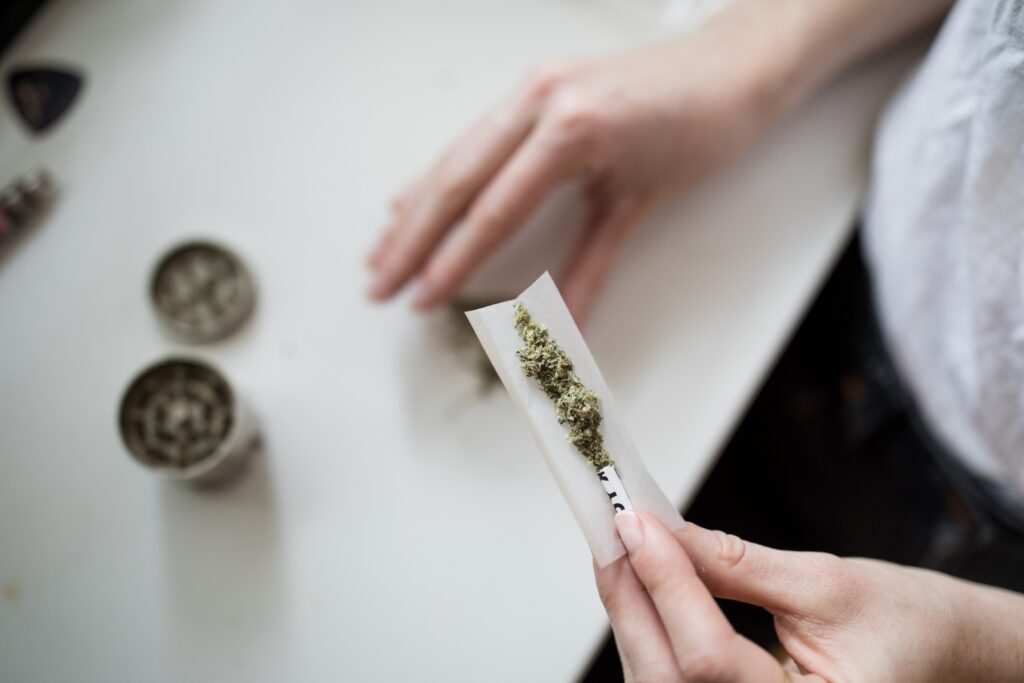
Marijuana can also be dried and rolled into smaller sticks called cigarettes. It is called a joint if it has been mixed with tobacco. These types are commonly taken through smoking or inhalation using water pipes.
With the advent of technology, there are several means and materials also called marijuana paraphernalia that allows users to get a frequent dose of this substance. This stuff can be taken orally, ingested, smoked, or inhaled using water pipes or electronic cigarettes.
Aside from being smoked or inhaled, there are other forms of this substance that can be added to food and drinks. This type is called ingestible or edible marijuana. These can be readily added to baked cookies, food, or even teas. Marijuana, when ingested, is not a quick-acting substance for the effects can be typically felt 45 minutes to 3 hours after ingesting it. Likewise, the duration of the effect depends on the dose taken by the person.
If the substance is a dried one formed into small cubes or blocks, then it is called hashish. This form can either be chewed like gum or smoked and turns into its oily liquid form. In terms of color, it can range from black to dark brown and then yellowish brown. Likewise, its texture can vary from being smooth to matte type, where some of it can be chewy or hard.
Hashish can also be transformed into an oily liquid where its potency is high and a small amount of it smoked can give a substantial sensation. These types are mostly contained in small plastic or glass bottles and bags.
Lastly, weed is a dried form of the marijuana plant where most of its raw and natural features can still be observed. The majority of its color is still greenish with a rough texture. When sold illegally, the dried leaves and stems are just tied together in one bunch. Similar to other forms, this type can be smoked and inhaled through water pipes.
What Is Marijuana Used For?
Marijuana has a variety of medical uses but is most commonly used for recreation.Marijuana is used medically to treat pain, nausea, and lack of appetite. It can also be used to reduce anxiety and muscle spasms.
However, marijuana is most commonly used for recreation because it causes euphoria and relaxation. Some people also use it because it helps them focus or increase their creativity.
How Does Marijuana Work?
Marijuana works by flooding the brain with the neurotransmitter THC, which attaches to specific receptors called cannabinoid receptors.
The euphoric effects of marijuana occur when THC activates these receptors, which are concentrated in areas of the brain that control pleasure, memory, thinking, coordination, and time perception.
The early onset of marijuana’s effects is because it overwhelms the body’s endocannabinoid system (ECS), a network of receptors that regulates a variety of biological processes including appetite, pain sensation, mood, and memory.
The ECS is activated by chemicals produced naturally in the body. When THC binds to cannabinoid receptors in the ECS, it disrupts normal communication between cells and can interfere with important biological functions.
How Long Before You Can Feel the Effects of Marijuana?
It depends on how you consume marijuana. If you smoke it, you’ll feel the effects in a few minutes. If you eat it, it could take up to 30 minutes or more to feel the effects.
However, everybody is different and some people may feel the effects more quickly or more slowly than others. Some people report feeling more relaxed and happy after consuming marijuana, while others may feel paranoid or anxious.
How Long Does Marijuana Stay In Your System?
In the blood, it can still be detected 12 to 48 hours after the last period of usage. Frequent usage of it can have an average stay in the body of about 20 to 25 days after the last time of usage.
In the hair follicles, traces of this substance can still be detected for around 90 days after the last period of usage.
In the saliva, residues of this drug can still be detected depending on how often the person uses it. For people frequently using this drug, it stays in the body for around 1 to 3 days after the last session of usage. While, for severe users, it stays between 1 to 29 days after the last period of usage.
In the urine, large traces of this substance can be detected compared to in the blood. The duration of stay depends on how often the person is using marijuana.
For occasional (three times per week) and medium level (four times per week) users, it stays up to 72 hours or 3 days and 5 to 7 days, respectively.
Meanwhile, for intense (several times per day) and chronic (daily usage), it typically stays in the system for about 30 days or more.
What are the Short and Long-term Effects of Marijuana?
The moment a person starts taking this drug, certain side effects can be readily felt and it magnifies when the duration is longer with increasing dosage. The short-term side effects of using this drug include a gradual loss of memory, inability to think, loss of muscle strength, lower pulse rate, decreased milk production for lactating women, decreased sex drive, and a higher chance of stroke.
In contrast, the long-term side effects of this drug are increased appetite, decreased comprehension, delusions, tremors, slight psychosis, and uncontrolled muscle movement.
Is Marijuana Addictive?
Yes, marijuana can be addictive. Some people may develop what’s called a “marijuana use disorder,” which is defined as continued use despite negative consequences.
However, keep in mind that not everyone who uses marijuana will become addicted to it. Factors that may increase your risk include using marijuana regularly, starting at an early age, and having a family history of addiction.
What Are the Withdrawal Symptoms?
Yes, marijuana withdrawal symptoms do exist. Anyone who has used marijuana for an extended time and then tries to quit will likely experience one or more symptoms.
The common symptoms of this include dryness of the mouth, vague speech ability, reddish eyes, elevated pulse rate, depression, mood disorder, lethargy, and nervousness.
What Causes Marijuana Overdose? Signs of an Overdose
While you cannot overdose on marijuana in the same way that you can on opioids, it is still possible to take too much. Some people have reported feeling anxious, paranoid, and even feel psychotic effects after ingesting large amounts of marijuana.
Signs that you may have taken too much marijuana include having a rapid heart rate, feeling dizzy or lightheaded, and seeing or hearing things that aren’t there.
What Should You Do If Someone Is Overdosing?
In some cases, ingesting too much weed or marijuana with very high THC content can cause psychotic episodes characterized by paranoia and delusions. If you see someone going through this, it’s best to stay with them and keep them calm.
Be sure to remove any potential weapons from the area and try to keep them away from anything that could hurt themselves or others. Once they have calmed down, take them to see a doctor or mental health professional.
Some people may need hospitalizations and treatment to get their symptoms under control.
How Do You Treat Marijuana Addiction? Detox & Treatment
As with any addiction, treating marijuana addiction requires professional help. The first step is to detoxify the body and rid it of all traces of the drug. This can be done through a variety of methods, including medication, therapy, and support groups.
Once detoxification is complete, the next step is to begin addiction treatment. This usually takes the form of counseling and therapy, which can help the addict learn how to cope with their addiction and make healthier choices. In some cases, medication may also be prescribed to manage withdrawal symptoms or underlying mental health issues.
Final Thoughts: Addressing Marijuana Abuse and Addiction
Marijuana addiction can cause serious problems in people’s lives, and it’s important to get help if you or someone you know is struggling with it. The most important thing to remember when treating marijuana addiction is that recovery is possible.