






Don’t see your provider? Contact us to confirm coverage.
Cocaine has a long and dangerous history. It is now classified as a Schedule II narcotic, meaning it has a high potential for abuse and addiction. Although the drug is illegal in the US, it is still widely used, resulting in thousands of overdoses each year.
However, there are treatments available for addiction and overdose. Read on to learn more about the drug, its effects, and how to get help if you or someone you love is struggling with abuse.
What Is Cocaine?
Cocaine is an addictive stimulant drug that goes under the crystalline alkaloid C17H21NO4. It is categorized as a Schedule II substance due to its medical uses despite its potency.
The drug is made from coca leaves from the coca plant (Erythroxylum coca) that is native to South America for thousands of years.
During this time, people have chewed and ingested coca leaves for their intoxicating effects. Raw purified cocaine hydrochloride was developed more than 100 years ago through its isolation from coca leaves. This makes the drug one of the oldest narcotics in the world.
At the beginning of the 1900s, this purified version of the drug became an active ingredient in tonics, drinks, and potions for curing ailments as well as early formulations of Coca-Cola beverage.
Dried coca leaves are not potent and contain only 1 percent of hydrochloride. The leaves undergo different processes that produce what is known to be cocaine.
Apart from its scientific term, the drug is known by different names. These are Basa, Base, Baseball, Big flakes, Big Rush, Blow, Bump, C, Candy, Coke, Cola, Crack, Dust, Flake, Gravel, Line, Nose Candy, Nuggets, Pearl, Powder, Rail, Rock, Sleet, Snow, Stash, Toot, White, Yeyo.
Crack cocaine is the crystal’s most freebase form and it is colloquially known as crack. Its physical appearance resembles rocks that are white or can give off a rosy shade that makes them appear pink.
This variation is normally smoked through a pipe and has stronger effects on the human body as opposed to its refined version.
Street names for crack cocaine include Snow Coke, Rocks, Black Rock, chemicals, Candy, Grit, Gravel, Hard rock, Nuggets, Jelly beans, Cookies, and Tornado.
Cocaine sulfate (also known as cocaine paste) is a drug made out of 50 percent sulfate and other chemicals such as methanol and sulfuric acid. Upon intake, it is smoked with marijuana or tobacco.
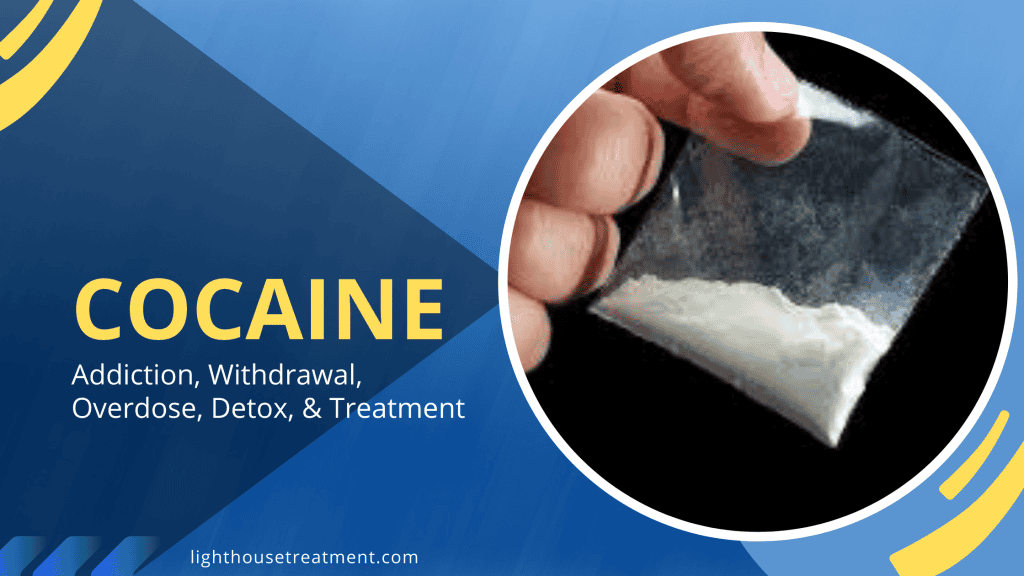
What Does Cocaine Look Like?
Just like its processes, the drug comes in different forms: hydrochloride salt, crack cocaine (illicit drug), and cocaine sulfate. The drug is often identified as a fine white powder or hydrochloride salt. It may look like talcum powder or baking soda.
The Hydrochloride salt of the highest quality has 98 percent purity. While the salt’s color range can go from clear white, off-white, yellowish, or gray color (depending on the levels of the pure ingredient), it is most expensive when it looks whiter and brighter than the other variations.
Street forms of hydrochloric salts are often mixed with other illicit ingredients and contain 5 to 40 percent of purity. To ingest, the drug can be snorted, dissolved in water before injected, and/or aspirated.
What Is Coke Used For?
The drug is a stimulant and anesthetic that generates a euphoric effect. Because of this, users abuse this as a recreational drug mostly at parties to make the individual hyper-aware of their surroundings but viscerally indifferent at the same time.
The use of the drug as a medical substance is strictly and closely monitored and controlled. It is legally used medically as anesthesia for surgeries, especially those involving the ear, nose, and throat.
Due to its addictive tendencies, its uses in medicine are highly limited and it has been replaced with other synthetic and less potent anesthetics.
How Does Cocaine Work?
Coke is a drug that, upon entering the body, sends high levels of dopamine to the parts of the brain responsible for feelings of pleasure and response (also known as the reward system).
Dopamine is a hormone/transmitter that is associated with happiness since it functions as a mood elevator. An increase of dopamine in the body causes an intense sensation of energy and alertness.
Depending on the mode of its ingestion, it can reach the brain faster at times. Smoked coke has quicker effects than snorted powder.
How Long Does Cocaine Stay in Your System?
In general, the drug’s half-life is about an hour. It takes roughly one hour for the concentration of the drug in the blood to be halved.
When it comes to drug tests, the period of detection in the system will also depend on how much was ingested, the person’s metabolism, and how often an individual uses the drug.
The drug can be detected in the system using different methods with varying detection periods. It is most commonly detected through urine tests, hair follicle tests, saliva tests, and blood tests.
- Blood Test – 2 days
- Saliva Test – 2 Days
- Urine Test – 3 Days to 2 Weeks
- Hair Test – 3 months to years
What are the Short and Long-term Effects of Cocaine?
The effects of the drug can be different for different people and depend on the drug used. Short-term effects last only for a few minutes to an hour. Its short-term effects include:
● euphoria
● alertness
● excitement
● anxiety
● paranoia
● increased heart rate
● increased blood pressure
● dilated pupils
● hyperactivity
● restlessness
● decreased appetite
If you use the drug often, you may develop some long-term effects, which include:
- frequent panic attacks
- profound sleep deprivation
- heightened irritability
- weight loss and/or malnourishment
- bleeding in the brain
- convulsions and seizures
- stroke
- mood problems
- lung damage
- HIV or hepatitis from needles
- bowel decay
- loss of smell
- having difficulty swallowing
- nosebleeds
- nasal septum irritation
Is Cocaine Addictive?
Yes, cocaine is addictive. Substance abuse can develop rapidly, and it’s often difficult to overcome without professional help. Addiction can cause severe financial, social, and health-related problems.
Addiction to this drug is characterized by compulsive use, despite the negative consequences. It’s very difficult to quit because withdrawal symptoms are extremely uncomfortable.

What Are the Withdrawal Symptoms?
Withdrawal symptoms are likely to occur when someone tries but fails at quitting. These symptoms can be extremely uncomfortable, which can make it difficult to quit.
Some of the more common ones include:
- irritability
- depression
- exhaustion
- poor concentration
- anxiety
- restlessness
- nightmares
- insomnia
- slowed thinking and movement
- paranoia
- increased appetite
What Causes Cocaine Overdose?
The drug can have short-term and acute effects that make the brain and body work faster. If you use it over a long period, your body might eventually wear out and you could overdose.
The danger is that it is hard to know how strong it is, especially if it is not pure. Even for recreational users and experienced buyers, the difference in the type of cocaine is almost impossible to distinguish.
Not knowing the differences between each variation of coke can be very dangerous. If you take in too much, it can have harmful effects on your body and even lead to an overdose.
When you take too much coke, your body’s internal organs like your heart and brain start to shut down. You can have seizures, tremors, extreme agitation, fainting, high temperature, fainting, delirium, extreme anxiety, paranoid delusions, fast speech, and increased heart rate.
How Do You Treat Cocaine Overdose?
What should you do if someone has overdosed on coke? If someone experiences an overdose, you should seek emergency medical care right away. This will help stabilize their organs, such as the lungs, heart, and kidneys.
You can also give them first aid until medical assistance arrives. For example, you can apply a cold compress to their body if it is overheating.
How Do You Treat Cocaine Addiction? Detox & Treatment
Professional detox and drug addiction treatment are essential for the successful treatment of cocaine addiction.
A good detox program will help rid the body of all traces of coke, while an effective addiction treatment program will help address the psychological factors that contribute to drug abuse.
Discuss with a professional the different options and modalities that can improve addiction behavior.
Final Thoughts: Addressing Cocaine Abuse and Addiction
If you or someone you know is struggling with addiction, please seek professional help right away. Treatment can make a world of difference – not only for the individual addicted but also for their loved ones.