June 24, 2024Tyler Collins
If you’ve enjoyed drinking a cold bottle of beer on a hot summer day, you might have wondered how much water is actually in this beverage. Since you find it refreshing, perhaps you’re guessing that it must contain a decent amount of water. Can it be hydrating and count towards your daily water intake? In this blog post, we’ll take a closer look at how much water is in beer and whether or not it can contribute to your daily hydration needs. By knowing this information, you can make more informed decisions about your drinking habits and overall health.
What is the water content of beer?
Beer is made up of approximately 90% to 95% water. Beer is primarily made up of four main ingredients: water, barley, hops, and yeast. The amount of water present in beer can vary depending on the type of beer and the brewing process used.
This high water content plays a vital role in the beer-making process, impacting everything from the brewing technique to the final flavor profile.
The amount of water in beer also contributes to its overall volume and mouthfeel. Despite being largely composed of water, beer should not be considered a hydration source due to the presence of alcohol, which has a dehydrating effect.
What type of water is used in beer?
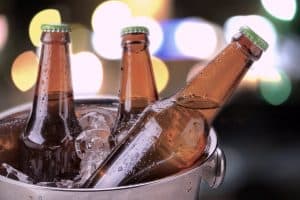 The type of water for brewing beer can significantly affect the taste and quality of the final product. Different styles of beer often require specific mineral compositions in the water.
For example, stouts typically use water with a higher mineral content, which enhances the robust, full-bodied flavors. The water in Ireland, where Guinness is brewed, is known for its high mineral content and contributes to the distinct taste of this popular stout.
In contrast, pilsners made in the Czech Republic often use softer water, which helps create a crisper, cleaner taste. Brewers often adjust the mineral content of their water to match the style they are aiming for, ensuring consistency and quality in each batch.
How much alcohol is in beer?
The alcohol content in beer varies widely depending on the type and brewing process. Generally, beer contains between 4% to 6% alcohol by volume (ABV). There are light beers that may have as little as 3% ABV. These light beers are lower in alcohol and calories, making them a popular choice for those looking to enjoy beer without consuming too much alcohol or affecting their diet.
On the other end of the spectrum, there are also stronger beers such as barley wines and imperial stouts that can have an ABV upwards of 12%. These high-alcohol beers often have more complex flavors and are meant to be enjoyed in smaller quantities compared to traditional beers.
Craft beers with a higher alcohol content have also become popular in recent years, with many breweries experimenting and pushing the boundaries of what is considered a “normal” ABV.
Ultimately, the amount of alcohol in beer is determined by the fermentation process and can greatly impact its taste, aroma, and strength. It’s essential to check the label on your beer to know its exact alcohol content, especially if you are keeping track of your intake for health or recovery reasons.
Can the water in beer be hydrating?
No, the water in beer cannot be considered hydrating. While beer does contain a high percentage of water, the presence of alcohol counteracts any potential hydrating effects. Alcohol acts as a diuretic, which means it increases urine production and can lead to dehydration.
Therefore, relying on beer for hydration is not advisable. To stay properly hydrated, it is best to drink water or other non-alcoholic beverages, particularly when consuming alcohol. Drinking at least eight glasses of water per day is recommended for maintaining hydration levels.
Some people may also choose to drink sports drinks or electrolyte-enhanced beverages to replenish any fluids and electrolytes lost from alcohol consumption. However, it’s essential to remember that these drinks will not cancel out the dehydrating effects of alcohol and should be consumed in moderation.
What are the dangers of dehydration due to beer drinking?
Dehydration due to beer drinking can pose several health risks. Because alcohol acts as a diuretic, it increases urine output, leading to a loss of fluids and essential electrolytes. Symptoms of dehydration can include dizziness, headache, dry mouth, and extreme thirst.
In severe cases, dehydration can cause more serious complications like heat exhaustion, kidney issues, and even impaired cognitive function. It’s crucial to drink water alongside alcoholic beverages to help mitigate these risks and maintain proper hydration levels.
Best alcohol rehab in Orange County, California
At the Lighthouse Treatment Center, we offer a specialized program for those struggling with alcohol addiction. Our team of experienced professionals provides individualized care and support to help clients overcome their dependence on alcohol
If you or someone you know is struggling with alcohol addiction, reach out to us at the Lighthouse Treatment Center today. Let us help you break free from unhealthy drinking habits and embrace a healthier lifestyle.